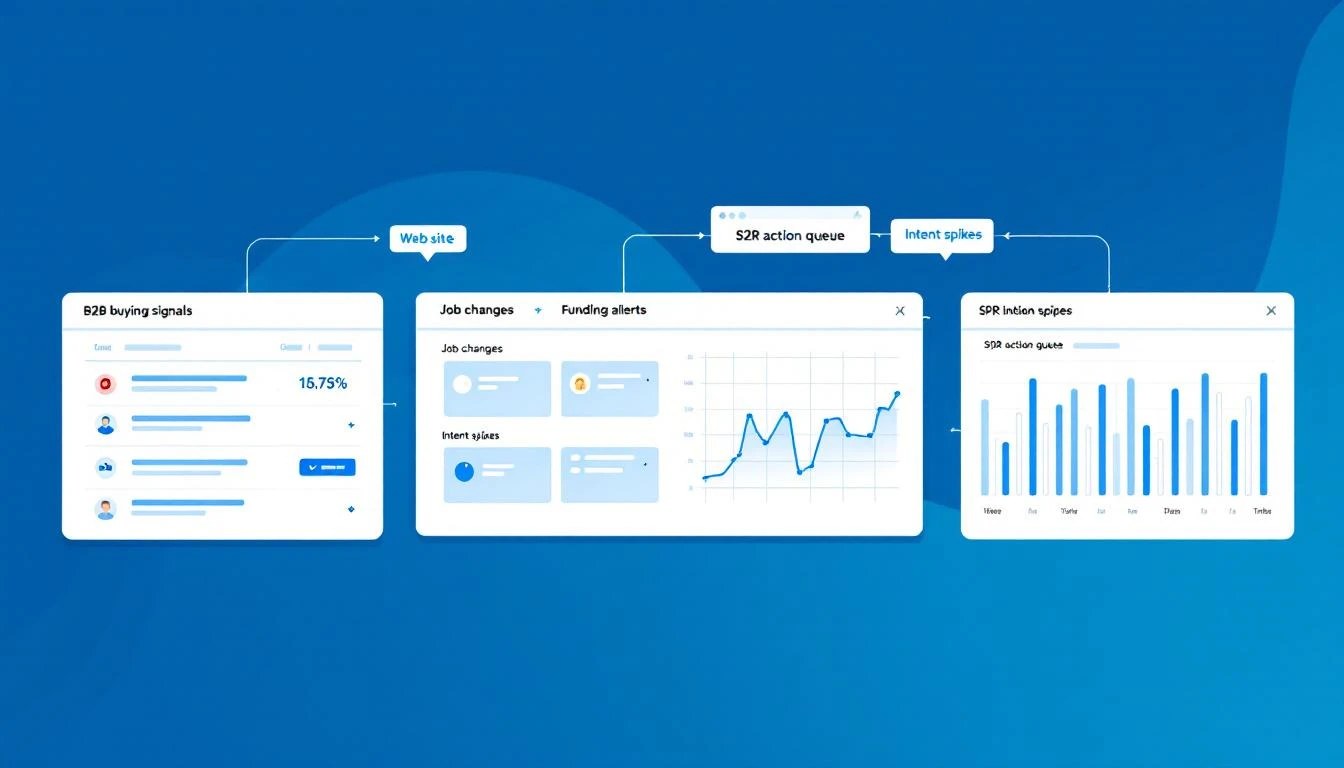
25 posts tagged with "signal-based-selling"

View All Tags

How K-12 Education IoT Companies Scale Their SDR Team with AI-Powered Territory Signals [2026]

Β· 12 min read
sunder
Founder, marketbetter.ai

Selling IoT connectivity to school districts is a patience game.

Budget cycles run on fiscal years. Decisions involve superintendents, IT directors, procurement offices, and sometimes school boards. A single deal can take 6-12 months from first contact to signed PO. And your buyer persona β€” the district technology coordinator who manages connectivity for 40 schools β€” doesn't respond to cold LinkedIn DMs.

Now imagine managing this across 1,400+ school district customers spread nationwide, with a three-person SDR team covering geographic territories. Every territory looks different. Every state has different E-Rate funding cycles. Every district has different procurement rules.

This is the reality one K-12 education IoT connectivity company faced β€” and how they transformed their go-to-market by replacing guesswork with AI-powered signals.

How K-12 Education Technology Companies Can 3x Their Demo Pipeline With Territory-Based Signal Selling

Β· 11 min read
MarketBetter Team
Content Team, marketbetter.ai

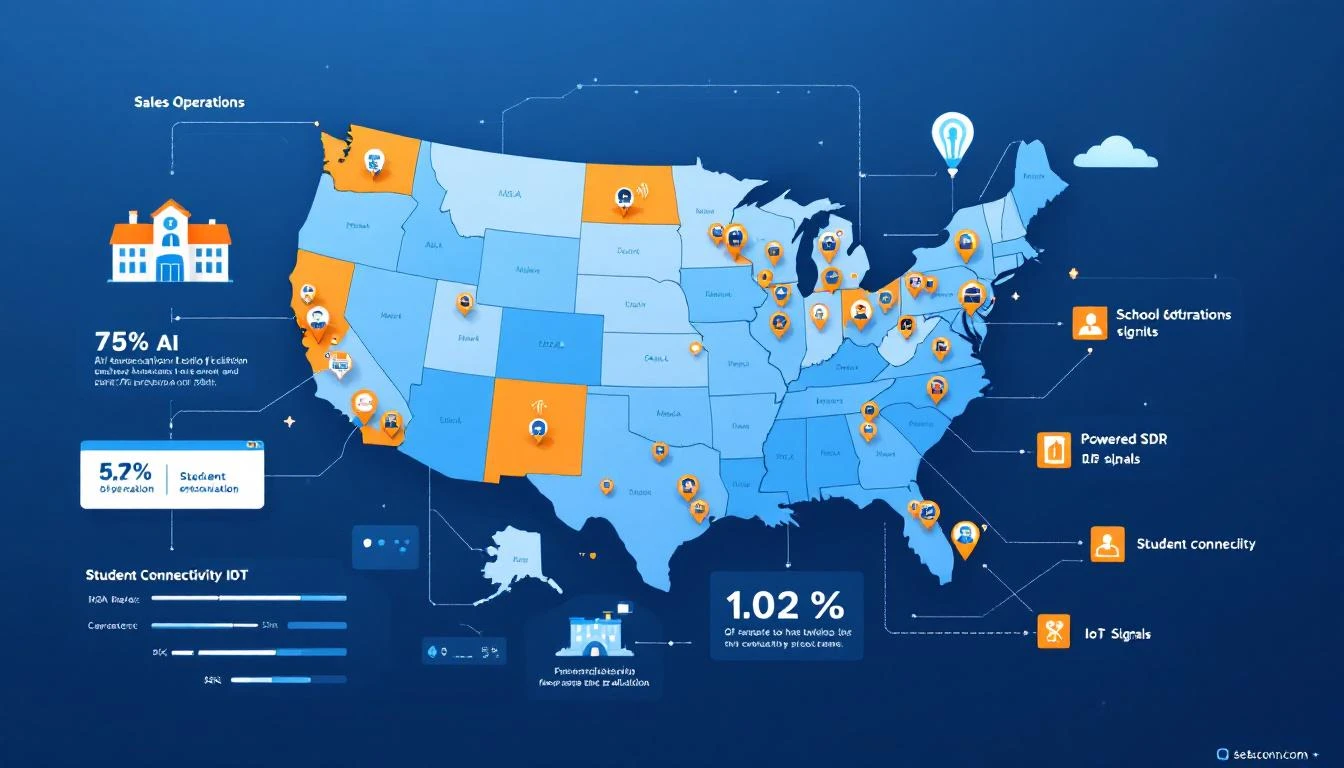
K-12 education technology SDR territory-based signal pipeline

Selling to K-12 school districts is unlike any other B2B sales motion on the planet.

Your buyers operate on budget cycles dictated by federal and state funding windows, not quarterly revenue targets. Your decision-makers β€” superintendents, CTOs, curriculum directors, and procurement officers β€” are drowning in vendor pitches from every edtech company that's ever raised a seed round. And your sales cycle can stretch from first contact to purchase order across two fiscal years if you time it wrong.

Now layer on the geographic complexity. School districts are inherently local. A district in rural West Texas has different infrastructure needs, different budgets, different political dynamics than a suburban district outside Chicago. Your SDRs don't just need to know the product β€” they need to know their territory. The superintendent's name. Whether the district passed their last bond measure. Which schools already have 1:1 device programs.

This is the story of how one K-12 education IoT connectivity company β€” serving over 1,400 school district customers nationwide β€” rebuilt their SDR operation from geographic cold outreach to territory-based signal selling. Three SDRs. Three territories. One platform. And a pipeline that finally matched the size of their addressable market.


The K-12 Sales Problem: Why Outbound Alone Can't Scale​

Let's be honest about what K-12 edtech sales looks like at most companies:

1. The budget calendar runs everything. Districts finalize budgets between March and June (varying by state). E-Rate applications have their own deadlines. Title I and ESSER funding come in waves. If your SDR reaches a district in September, they're 6 months early β€” or 3 months late. Timing isn't just important; it's the entire game.

2. Cold outreach gets filtered aggressively. Superintendents and district IT directors get hundreds of vendor emails per week. Most districts have procurement policies that funnel everything through formal RFP processes anyway. Your beautifully crafted cold email to the superintendent? It went to a shared inbox that a procurement coordinator checks on Thursdays.

3. Territory knowledge is the moat β€” but it doesn't scale manually. The best K-12 reps know their districts inside and out. They know which ones just passed a technology bond. They know which superintendent is retiring. They know which districts piloted a competitor's solution and hated it. But this knowledge lives in the rep's head β€” and when they leave, it leaves with them.

4. Geographic territories create natural coverage gaps. With only 3 SDRs covering the entire United States, there are inevitably districts that don't get touched for months. The Southeast rep is busy with a cluster of Florida districts while Georgia and Tennessee go dark. Opportunities slip through β€” not because they don't exist, but because nobody was watching.

This was exactly the situation at a K-12 IoT connectivity company with a national footprint and a small, territory-based sales team.


Before: The Manual Territory Grind​

Here's what their SDR operation looked like before the shift:

The team: 3 SDRs, each owning a geographic region (roughly West, Central, and East), managed through Salesforce.

The process:

  • Each SDR maintained a target account list of ~500 districts in their territory
  • Prospecting was manual: LinkedIn research, checking district websites for bond measures and tech initiatives, reading local education news
  • Outbound sequences were semi-personalized (district name, state-specific funding references) but fundamentally cold
  • Activity metrics drove behavior: 60 emails/day, 20 calls/day, 5 LinkedIn touches/day
  • Demo bookings averaged 8-12 per SDR per month β€” respectable, but plateauing

The problems:

  • Timing was random. SDRs had no way to know when a district was actively evaluating solutions. They'd sequence a district for 3 weeks, get no response, move on β€” only to learn later that the district bought a competitor the following month.
  • Signal blindness. The company's website had strong organic traffic from district IT directors searching for connectivity solutions, device management platforms, and IoT infrastructure for schools. But that traffic was 100% anonymous. An IT director in Fairfax County could spend 20 minutes on the product page and the Virginia SDR would never know.
  • Salesforce was a graveyard. The CRM had thousands of district contacts, many outdated. The CTOs moved to new districts. The procurement contacts retired. Nobody was systematically tracking which contacts were still at which districts β€” a critical gap when K-12 personnel turnover runs at 15-20% annually.
  • Territory coverage was uneven. Whichever region had an SDR in "flow" got all the attention. The others coasted on autopilot sequences that nobody was monitoring.

The ceiling was clear: this team was working harder, not smarter. They needed leverage.


The Shift: Territory-Based Signal Selling​

The transformation happened in three stages β€” and it didn't require adding headcount.

Stage 1: Visitor Identification Meets Territory Routing​

The first move was activating website visitor identification and connecting it directly to Salesforce territory assignments.

When a school district visited the website, the system would:

  1. Identify the district (or the managed service provider acting on their behalf)
  2. Match it to the correct territory in Salesforce based on state/region
  3. Route an alert to the assigned SDR within minutes β€” not hours, not days
  4. Include context: which pages they viewed, how long they spent, whether they'd visited before

The impact was immediate. Within the first week, the Central territory SDR received an alert: a large Texas ISD (independent school district) with 47 schools had visited the 1:1 device connectivity page three times in five days. Nobody in the CRM had logged a single interaction with this district in 18 months.

The SDR sent a personalized email within 2 hours. They booked a demo the next day. The district was actively evaluating vendors for a $200K connectivity deployment β€” and MarketBetter's visitor identification had caught the signal before any competitor even knew the opportunity existed.

Stage 2: Champion Tracking Across District Transitions​

Here's something unique to K-12: people move between districts constantly. A CTO who implemented your solution at one district gets hired as the superintendent at a neighboring district. A curriculum director who championed your pilot moves to a state education agency.

These transitions are pure gold for K-12 sales β€” but only if you can track them.

The company implemented champion tracking signals that monitored job changes across their existing contact database:

  • Former champion moves to new district: High-priority alert β†’ SDR reaches out referencing their previous experience
  • IT director leaves a customer district: Account management alert β†’ check if the replacement is a detractor or neutral
  • Procurement officer joins a target district from another customer: Warm introduction opportunity β€” they already know the product

One champion transition alone generated a $150K opportunity: a former IT director who had deployed the company's IoT connectivity solution across 23 schools moved to a larger district in a neighboring state. The SDR in that territory got an alert, reached out, and the former champion pulled the company into an active RFP they hadn't known about.

Without the signal, that opportunity would have gone to whatever vendor the new district's existing contacts already knew.

Stage 3: Funding-Aware Sequencing​

K-12 sales lives and dies by funding cycles. The team built signal-aware sequences that adjusted messaging based on known timing:

E-Rate filing season (January–March): Sequences emphasized total cost of ownership, managed services, and E-Rate eligible product configurations. Messaging shifted from "here's what we do" to "here's how to include this in your E-Rate Category 2 application."

Budget planning season (March–June): Visitor identification signals during this window received the highest priority. A district visiting the pricing page during budget season wasn't casually browsing β€” they were comparing vendors for a line-item decision. SDRs escalated these immediately.

Back-to-school (August–September): Messaging focused on rapid deployment and support. Districts that waited too long to procure during budget season would panic-buy in August. Signals during this window triggered urgency-focused sequences.

Bond measure tracking: The team started tracking which districts had upcoming bond measures for technology infrastructure. When a district with a pending bond measure showed up on the website, the SDR knew to reference the specific bond allocation and timeline.

This wasn't just personalization β€” it was synchronization. The SDRs' outreach rhythm matched the districts' buying rhythm for the first time.


The Results: Same Team, Completely Different Output​

Demo bookings per SDR went from 8-12/month to 22-28/month. Not by working more hours β€” by working the right accounts at the right time.

Signal-sourced pipeline represented 55% of new opportunities within 90 days. More than half of all new pipeline came from accounts that were identified through website signals, champion tracking, or funding-cycle triggers β€” not cold outbound.

Average response rate on signal-triggered outreach: 34%. Compare that to 3-4% on their previous cold sequences. When you email a district CTO the same week they visited your product page three times, they respond β€” because you're relevant.

Territory coverage gaps disappeared. Even when an SDR was deep in a deal cycle with a cluster of districts, signals from other districts in their territory still surfaced. Nothing fell through the cracks because the system was watching all 500+ districts per territory simultaneously β€” something no human SDR can do manually.

Salesforce became alive. Instead of a database of stale contacts, the CRM now reflected real-time buyer behavior. Deals moved stages based on actual engagement, not optimistic SDR forecasts.


The K-12 EdTech Playbook: Lessons for Every Education Technology Company​

Whether you sell connectivity, curriculum software, assessment tools, school safety systems, or any other K-12 solution, these principles apply:

1. Your Website Traffic Contains Your Best Leads​

K-12 buyers research online before engaging vendors β€” often for weeks. If you're not running visitor identification, your best prospects are browsing your site and leaving without a trace. Fix that first.

2. Route Signals to Territory Owners Instantly​

Speed matters enormously in K-12. Districts evaluate on compressed timelines dictated by budget cycles. A signal that reaches an SDR 48 hours after a district visited your site might as well be a week late. Build real-time routing from identification to territory owner.

3. Track Champions, Not Just Accounts​

K-12 personnel turnover is one of your biggest pipeline risks and opportunities. When a champion moves to a new district, that's a warm introduction waiting to happen. When a detractor replaces a champion at a customer district, that's a churn risk you need to catch early.

4. Synchronize Outreach With Funding Cycles​

Don't blast the same sequences year-round. Align your messaging to E-Rate filing windows, budget planning seasons, and bond measure timelines. A district that hears from you at the right moment in their procurement cycle is 10x more likely to engage than one you cold-email in November.

5. Let Signals Equalize Territory Coverage​

Three SDRs can't manually monitor 1,500 districts. But a signal engine can. When website visits, champion moves, and funding events surface automatically, every district in every territory gets watched β€” regardless of which deals your SDRs are currently focused on.

6. Capture the Dark Funnel in Education​

The B2B dark funnel is particularly deep in education. Buying committees do extensive research internally before ever reaching out to vendors. Committee members share links in email threads you'll never see. Visitor identification is the only way to know they're looking.


Why This Matters Now: The K-12 Market Opportunity​

Over $190 billion in federal education technology funding has been allocated since 2020. E-Rate modernization continues to expand eligible technology categories. Districts are investing in IoT infrastructure, 1:1 connectivity, smart building systems, and digital learning platforms at unprecedented rates.

But the K-12 edtech market is also getting crowded. Dozens of vendors compete for every district's attention. The companies that win won't be the ones who send the most emails β€” they'll be the ones who reach the right district, at the right moment, with the right message.

For a lean SDR team with geographic territories, signal-based selling isn't a luxury. It's the only way to compete at scale without scaling headcount.

Three SDRs. Three territories. Over 1,400 customers. And a pipeline that finally reflects the real size of the opportunity.


Want to see which school districts are researching solutions on your website right now? Start identifying your anonymous education traffic β†’

How Utility and Energy Monitoring Companies Build 3x More Pipeline with AI-Powered Visitor Intelligence [2026]

Β· 9 min read
sunder
Founder, marketbetter.ai

If you sell energy monitoring, utility analytics, or building performance software, you already know the challenge: your buyers don't fill out forms.

Facility managers, energy consultants, and sustainability officers visit your website to compare solutions. They read your case studies. They check your pricing page. Then they leave β€” and your sales team never knows they existed.

For most utility tech vendors, 95% of website traffic is invisible. That's not a rounding error. That's your pipeline walking out the door.

This is the story of how a utility and energy monitoring SaaS company β€” small team, tight budget, HubSpot CRM β€” turned anonymous website visitors into their primary pipeline source using AI-powered signal intelligence.

How Utility and Energy Monitoring Companies Can Turn Anonymous Website Traffic Into Real Pipeline

Β· 9 min read
MarketBetter Team
Content Team, marketbetter.ai

Utility and energy monitoring SaaS visitor identification pipeline

Utility and energy monitoring SaaS companies operate in one of the most paradoxical corners of B2B sales: the market is massive, the urgency is real, and yet pipeline generation feels impossibly slow.

Every facility manager, sustainability director, and energy procurement officer knows they need better monitoring. Regulatory pressure is mounting. ESG reporting requirements are tightening. Utility costs are climbing. The demand signal is everywhere β€” but somehow, the leads aren't.

Why? Because energy and utility tech buyers don't behave like typical SaaS prospects. They don't fill out demo request forms after reading a blog post. They don't respond to cold outbound sequences about "saving 20% on energy costs." They browse. They research. They compare. And then they go dark β€” talking to procurement internally for weeks before anyone on your sales team even knows they exist.

This is the story of how one utility monitoring SaaS company β€” a small team running lean on HubSpot β€” cracked the code by making visitor identification their primary pipeline engine. No army of SDRs. No massive outbound budget. Just signals, timing, and precision.


The Utility SaaS Sales Problem: Long Cycles, Silent Buyers​

Here's what makes selling utility and energy monitoring software uniquely painful:

1. The buying committee is diffuse. A facility manager finds you. But the decision involves the VP of Operations, the CFO (because energy monitoring touches budget directly), and sometimes procurement or IT. By the time the facility manager gets internal alignment, they've forgotten which three vendors they were comparing.

2. Outbound is noisy and ineffective. Every energy company, every monitoring platform, every ESG compliance tool is blasting the same facility managers with the same cold emails. "Reduce your energy costs by 30%!" β€” the inbox equivalent of white noise. Response rates for utility-tech outbound hover around 1-2%, which means your small sales team is burning cycles on volume that never converts.

3. The website is your best (ignored) asset. Utility monitoring companies often have surprisingly strong organic traffic. Facility managers Google things like "real-time energy monitoring for multi-site operations" or "utility bill anomaly detection." They land on your site. They read your case studies. They check your integrations page. And then they leave β€” anonymously β€” because you have no idea they were there.

4. Small teams can't afford waste. You don't have 10 SDRs and an intent data budget. You have a founder, maybe a head of sales, and a handful of AEs who also prospect. Every hour spent on the wrong account is an hour stolen from the right one.

Sound familiar? One utility SaaS company decided to flip the entire model.


The Shift: From Outbound Spray to Signal-Based Pipeline​

This company β€” a utility and energy monitoring SaaS platform serving commercial and industrial facilities β€” was running a classic small-team sales motion:

  • HubSpot CRM with basic lead scoring
  • Manual prospecting through LinkedIn and industry directories
  • Generic email sequences sent to facility managers and operations directors
  • Trade show follow-ups that produced a flurry of activity for two weeks, then nothing

The results were predictable: inconsistent pipeline, feast-or-famine months, and a constant feeling that they were missing something.

What they were missing was their own website traffic.

Step 1: Visitor Identification Changed Everything​

When they activated website visitor identification, the picture changed overnight.

Instead of guessing which companies to target, they could see exactly who was visiting:

  • A Fortune 500 manufacturing company spent 14 minutes on the multi-site monitoring page β€” three separate visits in one week
  • A regional healthcare system browsed the case study page, then the pricing page, then the integrations page (classic high-intent behavior)
  • A university facilities department visited the ROI calculator page twice in 48 hours

None of these prospects had filled out a form. None of them were in the CRM. They were invisible β€” and they represented the highest-intent pipeline the team had ever seen.

The key insight: In utility and energy SaaS, buyers self-educate extensively before engaging sales. By the time they fill out a form (if they ever do), they've already shortlisted vendors. Visitor identification lets you enter the conversation during the research phase, not after it.

Step 2: HubSpot-Native Signal Workflows​

Because the team was already on HubSpot, they built workflows that turned visitor signals into immediate action β€” no new tools, no complex integrations:

High-intent visitor alert workflow:

  • Trigger: Identified company visits pricing page OR case study page more than once in 7 days
  • Action: Create HubSpot deal in "Signal Detected" stage, assign to AE, Slack notification
  • Follow-up: Personalized email referencing their specific use case (manufacturing, healthcare, education, etc.)

Return visitor escalation:

  • Trigger: Same company returns after 14+ days of inactivity
  • Action: Move deal to "Re-Engaged" stage, trigger personalized sequence
  • Logic: If they came back, something changed internally β€” maybe budget opened, maybe a competing vendor disappointed them

Page-intent scoring:

  • Integrations page = +10 points (they're evaluating technical fit)
  • ROI calculator = +15 points (they're building a business case)
  • Multi-site features = +20 points (enterprise signal β€” larger deal)
  • Careers page = 0 points (not a buyer signal)

This scoring model fed directly into HubSpot's existing lead scoring, so the team didn't need a separate tool or dashboard. The daily SDR playbook surfaced the hottest signals every morning.

Step 3: Vertical-Specific Messaging That Actually Converts​

Here's where most utility SaaS companies fumble: they send the same generic messaging to every prospect regardless of industry vertical.

A hospital system cares about compliance and patient safety β€” not just energy cost reduction. A manufacturing plant cares about production uptime β€” monitoring is about preventing shutdowns, not saving on the electric bill. A university cares about sustainability reporting for their ESG commitments.

This company built vertical-specific email sequences triggered by visitor identification:

For healthcare visitors: "We noticed your facilities team is evaluating energy monitoring solutions. For healthcare systems, the #1 driver isn't cost savings β€” it's ensuring critical equipment environments stay within spec. Here's how [similar healthcare system] reduced compliance incidents by 40%..."

For manufacturing visitors: "Multi-site manufacturing operations lose an average of $50K per unplanned shutdown. Real-time energy anomaly detection catches the electrical signatures of failing equipment 48 hours before downtime..."

For education visitors: "With ESG reporting requirements tightening for universities, your facilities team needs real-time data β€” not quarterly utility summaries. Here's how one university cut their Scope 2 reporting time from 3 weeks to 3 hours..."

Same product. Completely different conversation. The response rates doubled compared to their generic outbound sequences.


The Results: What Changed in 90 Days​

The impact wasn't gradual β€” it was a step-change:

Pipeline sourced from visitor identification went from 0% to over 60% of total pipeline. The team went from wondering where their next deal was coming from to having a daily queue of signal-triggered opportunities.

Average deal cycle shortened by 3 weeks. Because they were engaging buyers during the research phase instead of after it, conversations started further down the funnel. Prospects had already read the case studies β€” the AE's job was to confirm fit, not educate.

Outbound volume dropped by 70%, but pipeline increased. The team stopped blasting 500 generic emails per week and started sending 30-40 hyper-targeted, signal-triggered messages. Fewer sends, dramatically better results.

HubSpot became the single source of truth. No switching between intent data platforms, visitor ID dashboards, and CRM. Everything lived in HubSpot β€” signals, scores, sequences, and deals β€” which meant the small team could actually manage it.


The Utility SaaS Playbook: Actionable Takeaways​

If you're selling energy monitoring, utility optimization, sustainability SaaS, or any adjacent product, here's the framework:

1. Your Website Traffic Is Your Best Intent Signal​

Utility and energy buyers research extensively before engaging. If you're not identifying who's visiting your site, you're ignoring your warmest pipeline. Start with visitor identification β€” it's the single highest-ROI investment for small teams.

2. Build Workflows in Your Existing CRM​

You don't need a separate intent data platform if you're running HubSpot or Salesforce. Build signal-triggered workflows that create deals, assign owners, and fire personalized sequences automatically. The signal-based selling approach works inside the tools you already have.

3. Score by Page, Not Just by Company​

Not all website visits are equal. A prospect reading your blog is mildly interested. A prospect who hits your pricing page, then your integrations page, then returns two days later β€” that's a buying signal. Weight your scoring accordingly.

4. Speak Their Vertical Language​

"Save money on energy" is table stakes. Healthcare buyers care about compliance. Manufacturing cares about uptime. Education cares about ESG. Build vertical sequences triggered by the type of content they consume on your site.

5. Small Teams Win With Precision, Not Volume​

You don't need 10 SDRs to build serious pipeline in utility SaaS. You need signals that tell your 2-3 sellers exactly who to talk to, when, and what to say. That's the difference between burning out on 500 cold emails and closing deals from 30 targeted conversations.

6. Engage the Dark Funnel​

In utility and energy tech, the dark funnel is enormous β€” buyers consuming content, researching solutions, and building internal business cases without ever raising their hand. Visitor identification is how you illuminate it.


Why This Matters for the Energy Transition​

The utility and energy monitoring market is projected to grow at 15%+ CAGR through 2030. Regulatory pressure, ESG mandates, and the simple economics of energy costs are driving adoption across every vertical.

But the companies that win won't be the ones with the biggest sales teams or the largest outbound budgets. They'll be the ones who see the buyer signals first and act on them with precision.

For small, lean utility SaaS teams, that's actually an advantage. You don't need scale β€” you need signals.


Ready to see which energy and facility companies are researching solutions on your website right now? Start identifying your anonymous traffic β†’

Why Healthcare IT Staffing Companies Are Switching to Signal-Based Selling (And Booking 2x More Demos)

Β· 12 min read
MarketBetter Team
Content Team, marketbetter.ai

AI signals transforming healthcare IT staffing sales

Here's a number that should keep every healthcare IT staffing company up at night: the U.S. healthcare IT market is expected to exceed $390 billion by 2028. Hospitals, health systems, and payers are spending aggressively on EHR implementations, cybersecurity, interoperability, and AI-powered clinical tools.

And every single one of those projects needs people to build, implement, and maintain them.

That's your market. It's massive. But if you're a healthcare IT staffing firm, you already know the paradox: the market is huge, but your buyer pool is tiny.

You're not selling to millions of companies. You're selling to a few thousand health systems, hospitals, managed care organizations, and health IT vendors. The VP of IT at a 500-bed hospital system. The CISO at a regional health plan. The project manager overseeing an Epic implementation. These are the people who decide whether to bring in contract staff β€” and they are nearly impossible to reach through traditional outbound.

This is the story of how one healthcare IT staffing company β€” a niche firm with a small sales team β€” went from manual prospecting to signal-driven pipeline generation. And doubled their demo bookings in the process.

How Education Technology Companies Can 3x Their Demo Pipeline with AI-Powered Signals

Β· 11 min read
MarketBetter Team
Content Team, marketbetter.ai

AI signals transforming education technology sales

Selling technology to school districts is one of the hardest go-to-market motions in B2B.

You're not selling to a single decision-maker with a credit card. You're selling to a procurement committee. A superintendent. A director of IT who manages infrastructure for 47 schools across three counties. A board that meets once a month and takes six months to approve a vendor.

And the market? There are roughly 13,000 public school districts in the United States. That sounds like a lot until you realize most edtech companies can only serve a subset β€” based on size, geography, existing infrastructure, or budget. Your total addressable market might be 2,000 to 4,000 districts. That's not a volume play. That's a precision play.

This is the story of how one K-12 education technology company β€” a connectivity platform serving over 1,400 school districts nationwide β€” went from brute-force outbound to signal-driven pipeline generation. And tripled their demo bookings within two quarters.

How EHS & Safety Compliance Companies Can 3x Their Demo Pipeline with AI-Powered Signals

Β· 9 min read
MarketBetter Team
Content Team, marketbetter.ai

AI-powered signals for EHS compliance software sales

The environmental health and safety (EHS) software market is projected to hit $3.4 billion by 2028, growing at over 10% annually. Regulatory pressure isn't slowing down β€” it's accelerating. Every new OSHA update, every EU chemical regulation, every ESG reporting requirement creates demand for compliance tools.

But here's what makes selling EHS software uniquely painful: your buyers don't wake up looking for you. They wake up worried about an audit, a workplace incident, or a regulatory deadline. By the time they actively search for software, they've already built a shortlist β€” and you might not be on it.

That's the EHS sales paradox. Massive TAM, urgent buyer need, but a funnel that runs cold because outbound BDR teams are spraying generic emails at safety directors who get 200 cold pitches a month.

This is the story of how one EHS compliance platform β€” a European-headquartered SaaS company with BDRs across EMEA β€” went from cold outbound chaos to signal-driven pipeline generation. No names. Just the playbook.

How IoT and Telecom Companies Can Build a Signal-Based Sales Engine Across Global Territories

Β· 9 min read

IoT and telecom global signal-based selling

IoT and telecom companies face a sales challenge that most B2B SaaS vendors never encounter: selling a deeply technical product across vastly different geographies, languages, and buying cultures β€” simultaneously.

Your EMEA rep is navigating procurement cycles in Germany. Your US team is running demos for mid-market fleet management companies. Your Latin America rep β€” fluent in Spanish β€” is building pipeline across Mexico, Colombia, and Brazil. Each territory has different ICPs, different competitive dynamics, and different urgency drivers.

The result? Most IoT sales teams drown in CRM chaos. Reps work the same accounts without knowing it. Signals get buried in Salesforce queues nobody checks. Champion contacts leave companies and nobody notices until the renewal conversation goes cold.

This is the story of how one enterprise IoT cellular connectivity platform rewired their entire sales operation around signals instead of sequences β€” and what every IoT/telecom company can learn from it.


The IoT Sales Problem Nobody Talks About​

Here's the dirty secret of IoT and telecom sales: the product is sticky, but the pipeline is fragile.

Once a customer deploys your SIM cards, modules, or connectivity platform across thousands of devices, switching costs are enormous. Churn is low. But getting that first deployment? That's where IoT companies bleed.

Why? Because IoT sales cycles are:

  • Long β€” 6-12 months for enterprise deals, sometimes 18+
  • Technical β€” engineers and product managers are involved alongside procurement
  • Multi-threaded β€” you need buy-in from operations, IT, finance, and sometimes the C-suite
  • Geography-dependent β€” carrier relationships, regulatory requirements, and pricing models vary by region

Traditional outbound (blast emails to a purchased list, hope for replies) fails spectacularly here. The ICP is narrow. The decision-makers are hard to find. And generic messaging about "connectivity solutions" gets deleted instantly.

What "Before" Looked Like​

The company in question had a solid sales team: experienced reps covering EMEA, the US, and Latin America. They had Salesforce. They had a decent tech stack. But their process was fundamentally reactive:

  1. Marketing would generate MQLs through webinars and content downloads
  2. SDRs would work those MQLs alongside cold outbound lists
  3. Territory assignment was manual β€” leads routed by region, but overlap was constant
  4. No signal intelligence β€” they couldn't see which target accounts were actively researching IoT platforms
  5. Champion tracking was nonexistent β€” when a contact left a customer account, the team found out months later (usually when a renewal stalled)

The Latin America rep, who was the team's only Spanish-speaking SDR, was particularly stretched. She was covering an entire continent with a spreadsheet and LinkedIn Sales Navigator. High-value accounts in Mexico City were getting the same cold email template as startups in SΓ£o Paulo.


The Shift: From Lists to Signals​

The transformation started with a simple question: What if we could see which accounts are already looking at us?

Signal Layer 1: Website Visitor Identification​

The first unlock was identifying the companies visiting their website. IoT and telecom buyers do extensive online research before ever filling out a form. They're reading documentation, checking pricing pages, comparing features.

With visitor identification tools, the team suddenly had a daily feed of companies actively evaluating IoT connectivity platforms. These weren't cold leads β€” these were companies already in-market.

The impact was immediate:

  • EMEA SDR started seeing German manufacturing companies researching IoT fleet management β€” and could reach out with industry-specific messaging within 24 hours
  • US SDR identified three Fortune 500 logistics companies visiting the pricing page in a single week β€” none of them had been on the target list
  • LatAm SDR caught a major Mexican telecom provider evaluating the platform β€” a deal that would have taken months to surface through traditional prospecting

Signal Layer 2: Champion Job Change Tracking​

This was the game-changer for an IoT company with a sticky product and long customer relationships.

IoT platforms live and die by their internal champions β€” the VP of Engineering who chose your platform, the Director of Operations who manages the deployment. When those people leave, your renewal is at risk. When they arrive at a new company, you have your warmest possible lead.

The team implemented champion tracking to monitor every contact in their customer base. Within the first month:

  • A former customer's Head of IoT moved to a major European industrial company β†’ warm intro, demo booked in 2 weeks
  • A champion who left a US customer landed at a Series B startup β†’ they adopted the platform within 60 days
  • The LatAm rep spotted a former partner contact now leading connectivity at a Brazilian agritech company β†’ Spanish-language demo, pipeline created same week

As one rep put it: "Champion signals are the closest thing to a guaranteed meeting in IoT sales."

Signal Layer 3: Intent-Based Territory Routing​

With signals flowing, the next challenge was routing them intelligently across territories.

In a multi-region sales org, the wrong routing costs deals. An enterprise account headquartered in London with operations in Dallas needs the EMEA rep for the commercial conversation but the US rep for the technical evaluation. A Latin American subsidiary of a US company might need the Spanish-speaking rep for relationship building but the US rep for contract negotiation.

The team built automated routing rules:

  • Primary territory assignment by HQ location (EMEA, US, LatAm)
  • Signal-based alerts that fire to the territory owner and any rep with an existing relationship at the account
  • Language-aware routing β€” Spanish-language website visits and form fills automatically flagged for the LatAm rep
  • Overlap detection β€” when two reps were working the same global account from different subsidiaries, the system surfaced it before conflicting outreach went out

This eliminated the "two reps, same account, different continents" problem that plagues every global sales team.


The Daily Playbook: How It Works in Practice​

Instead of starting each day with a cold outbound list, every SDR now opens their daily playbook β€” a prioritized list of signal-driven actions:

Morning (by territory timezone):

  1. Review overnight visitor identification alerts β€” which target accounts hit the website?
  2. Check champion movement notifications β€” any job changes in the customer base?
  3. Scan intent signals β€” which accounts are researching IoT/connectivity topics?

Action prioritization:

  • πŸ”΄ Hot: Former champion at new company + website visit in last 48 hours β†’ personalized outreach immediately
  • 🟑 Warm: Target account visiting pricing page for second time this week β†’ sequence trigger with case study
  • 🟒 Nurture: New company in ICP researching general IoT topics β†’ add to automated awareness sequence

Territory-specific plays:

  • EMEA: Lead with compliance and data sovereignty messaging (GDPR, data residency)
  • US: Lead with TCO reduction and deployment speed
  • LatAm: Lead in Spanish, emphasize local carrier partnerships and regional support

Results: What Changed​

After six months of signal-based selling, the numbers told the story:

  • Pipeline from visitor identification: 40% of new enterprise opportunities originated from website visitor signals (up from 0%)
  • Champion conversion rate: Former champions who moved companies converted to meetings at 3x the rate of cold outbound
  • Territory overlap incidents: Dropped from ~5 per month to near-zero
  • LatAm pipeline: The Spanish-speaking SDR doubled her pipeline by focusing on signal-qualified accounts instead of cold lists
  • Sales cycle compression: Deals sourced from signals closed 30% faster β€” because the buyer was already educated

The Compound Effect​

The real magic wasn't any single signal. It was the combination. When a former champion moves to a new company and that company starts visiting your website and they're in a territory your best rep covers β€” that's not a cold lead. That's a warm handshake waiting to happen.

For IoT and telecom specifically, this compound signal approach works exceptionally well because:

  1. The buyer universe is small β€” there are only so many companies deploying IoT at scale. You can monitor all of them.
  2. Relationships carry β€” IoT champions know the pain of evaluating connectivity platforms. When they move, they bring that context.
  3. The research phase is long β€” buyers visit websites, read documentation, and compare platforms for weeks before reaching out. Signals catch them early.
  4. Territory boundaries matter β€” global routing ensures the right rep engages the right way, in the right language.

Actionable Takeaways for IoT/Telecom Sales Teams​

1. Start with Visitor Identification β€” It's the Lowest-Hanging Signal​

If you sell connectivity, IoT platforms, or telecom infrastructure, your buyers are researching online right now. Identifying those companies gives you a daily feed of in-market accounts without any manual prospecting.

2. Implement Champion Tracking Immediately​

Your customer base is your most valuable signal source. Every contact who leaves a customer and joins a prospect is a warm lead. Champion tracking tools automate this monitoring.

3. Build Language-Aware Territory Routing​

If you have multi-language sales teams (and most global IoT companies do), route signals based on language preference and geography. A Spanish-language website session from a Mexican company should go to your Spanish-speaking rep β€” not your US generalist.

4. Replace Cold Outbound Volume with Signal Quality​

IoT sales is not a volume game. You don't need 10,000 emails. You need 50 perfectly-timed, signal-informed touchpoints with the right decision-makers at in-market accounts. Focus your SDR tools on surfacing quality over quantity.

5. Track the Compound Signals​

Build dashboards that show when multiple signals converge on the same account: website visit + champion movement + intent data spike. These "compound signal" accounts should be your SDRs' top priority every morning.


The Bottom Line​

IoT and telecom sales teams are uniquely positioned to benefit from signal-based selling. The narrow buyer universe, long research cycles, sticky products, and high champion value create the perfect conditions for intent-driven pipeline generation.

The companies that figure this out first β€” that move from spray-and-pray outbound to signal-aware, territory-intelligent selling β€” will dominate their markets. The ones that don't will keep wondering why their cold emails aren't working.

The signals are already there. The question is whether you're watching.


MarketBetter combines visitor identification, champion tracking, intent signals, and automated SDR workflows into a single platform built for complex B2B sales. See how it works β†’

Why Professional Services Firms Are Replacing Cold Outreach with AI Signal Selling (And Closing 2x More Deals)

Β· 13 min read
MarketBetter Team
Content Team, marketbetter.ai

AI-powered sales for professional services firms

Professional services companies have a sales problem that's fundamentally different from SaaS, and most sales advice ignores it entirely.

When you sell software, your buyer has a persistent need. They need a CRM every day. They need email marketing every month. The demand is continuous, and your job is to show up at the right moment in a long evaluation cycle.

When you sell professional services β€” investigations, consulting, specialized staffing, forensic accounting, compliance auditing β€” your buyer's need is episodic and urgent. They don't need you every day. They need you on the day something goes wrong. An employee theft case surfaces. A regulatory audit gets announced. A litigation hold requires forensic analysis. A due diligence review has a two-week deadline.

If you're not in front of them at that exact moment, someone else is. And in professional services, switching costs are almost zero. There's no contract to cancel, no data migration to worry about. They just call another firm.

This is the story of how one professional services firm β€” a private investigations company β€” went from manual cold outreach to AI-powered signal selling. They replaced their clunky scheduling tools, implemented a smart dialer, and doubled their close rate in under three months.

Best B2B Buying Signal Tools for Sales Teams [2026]

Β· 15 min read
sunder
Founder, marketbetter.ai

Best B2B Buying Signal Tools 2026

Your SDRs are working from static lists. Meanwhile, your best prospects are visiting your pricing page, hiring for roles you solve, and researching your competitors β€” right now. Without buying signal tools, your team misses these windows entirely.

Buying signal tools capture real-time indicators that an account is in-market: website visits, job changes, funding rounds, technology adoption, content consumption, and competitive research. The difference between a cold call and a warm outreach often comes down to whether you caught the signal in time.

We evaluated 12 platforms across signal types, data freshness, action layer, and total cost of ownership. Here's what actually works for SDR teams in 2026.

What Are B2B Buying Signals?​

Buying signals are observable behaviors that indicate a company or contact is actively evaluating solutions in your category. They fall into several categories:

  • First-party signals: Website visits, pricing page views, content downloads, chatbot interactions, demo requests
  • Third-party intent signals: Research activity across publisher networks on topics relevant to your product
  • Job change signals: When a champion or buyer moves to a new company (and might bring your tool with them)
  • Firmographic signals: Funding rounds, hiring spikes, technology changes, company growth
  • Engagement signals: Email opens, ad clicks, event attendance, social interactions

The best tools combine multiple signal types and β€” critically β€” tell your SDRs what to DO with those signals, not just show a dashboard of data.

How We Evaluated​

CriteriaWhat We Looked For
Signal CoverageHow many signal types (first-party, intent, job change, firmographic)
Data FreshnessReal-time vs. daily vs. weekly signal delivery
Action LayerDoes it just show signals or tell reps what to do next?
Integration DepthCRM, email, dialer, Slack connectivity
Pricing TransparencyCan you find pricing without a demo?
SDR Workflow FitBuilt for reps or for data analysts?

1. MarketBetter β€” Signals + SDR Playbook in One Platform​

Best for: SDR teams that want signals converted into daily action items, not another dashboard to monitor.

MarketBetter doesn't just surface buying signals β€” it turns them into a daily SDR playbook. Website visitor identification, intent signals, email engagement, and chatbot interactions feed into a prioritized task list that tells each rep exactly who to contact, through which channel, and with what message.

Signal types covered:

  • Website visitor identification (company-level)
  • Chatbot engagement signals
  • Email open/click/reply tracking
  • Content download intent
  • Conference attendee signals
  • Champion job change tracking

What sets it apart: Most signal tools stop at "Company X is showing intent." MarketBetter goes further: "Call Sarah at Company X about their pricing page visit yesterday β€” here's a talk track based on what they viewed." The daily playbook eliminates the interpretation gap between signal and action.

Key capabilities:

  • AI-powered daily SDR playbook with prioritized accounts
  • Smart dialer for warm outbound calls
  • AI chatbot that engages visitors in real-time
  • Hyper-personalized email sequences triggered by signals
  • Multi-channel orchestration (email + phone + LinkedIn)
  • Conference scraper for event-based prospecting

Pricing: $99/user/month with full signal access. Standard plan at $1,500/month adds the SDR dashboard and expanded actions. No per-signal fees.

Integrations: Salesforce, HubSpot, major email providers, LinkedIn, Slack

Start a free trial β†’


2. Common Room β€” Community and Product Signal Aggregation​

Best for: Product-led growth companies tracking community activity alongside traditional intent.

Common Room aggregates signals from community platforms (Slack, Discord, GitHub, Stack Overflow), product usage, social media, and traditional intent sources into unified account profiles. It's designed for companies where community engagement is a meaningful buying signal.

Signal types covered:

  • Community activity (Slack, Discord, GitHub contributions)
  • Product usage patterns
  • Social media mentions and engagement
  • Website visits (via integrations)
  • Third-party intent data (via Bombora partnership)

Strengths: Unique community signal layer that no other platform offers. Strong for developer-focused companies where GitHub stars and Slack activity predict purchasing intent.

Limitations: The signal-to-action gap is real. Common Room shows you who's active but relies on your team to decide what to do. No built-in dialer, email sequencing, or automated playbook generation. You'll need additional tools to act on the signals.

Pricing: Free tier available. Team plan starts around $500/month. Enterprise pricing requires a demo.


3. UserGems β€” Champion Tracking and Job Change Signals​

Best for: Teams with a strong customer base who want to re-engage buyers when they change jobs.

UserGems specializes in one signal type and does it exceptionally well: job changes. When your champion or power user moves to a new company, UserGems alerts your team so you can re-engage them before a competitor does. This "follow the buyer" motion generates some of the highest-converting outbound.

Signal types covered:

  • Champion job changes (primary focus)
  • Past-customer new-company alerts
  • Hiring pattern signals
  • Organizational changes

Strengths: The champion tracking data is among the most accurate in the market. The signal is inherently warm β€” you're reaching out to someone who already knows and used your product.

Limitations: Narrow signal coverage. If you need website visitor ID, intent data, or engagement tracking, you'll need additional tools alongside UserGems. Pricing reflects the premium positioning.

Pricing: Revv Up plan starts at $12,000/year for tracking up to 10,000 contacts. Cruise plan starts at $18,000/year for broader account coverage. Add-ons available for org charts and database cleanup.


4. Warmly β€” AI-Powered Website Visitor Orchestration​

Best for: Teams focused primarily on website visitor identification with automated outreach.

Warmly identifies website visitors at the company and contact level, then uses AI agents to automate initial outreach. It combines visitor data with third-party intent signals from Bombora to prioritize accounts showing multiple buying indicators.

Signal types covered:

  • Website visitor identification (company + contact level)
  • Third-party intent data (Bombora)
  • Social media signals
  • CRM engagement history

Strengths: Strong visitor identification accuracy with the AI agent layer that can automate initial chat and email sequences. Good for teams that want hands-off top-of-funnel engagement.

Limitations: No smart dialer. No daily playbook that prioritizes and sequences actions for SDRs. The AI agent approach works for initial engagement but lacks the human-in-the-loop workflow that experienced SDR teams need. Limited conference and event signal coverage.

Pricing: Starts around $700/month. Enterprise tiers go significantly higher based on traffic volume and features.


5. 6sense β€” Enterprise Intent Data and ABM Orchestration​

Best for: Large enterprise teams running sophisticated ABM programs with big budgets.

6sense uses AI to predict which accounts are in-market based on third-party intent signals, firmographic data, and engagement patterns. The platform assigns buying stage predictions and intent scores that marketing and sales teams use to orchestrate multi-channel campaigns.

Signal types covered:

  • Third-party intent data (proprietary network)
  • Buying stage predictions (Awareness β†’ Decision)
  • Technographic data
  • Firmographic changes
  • Advertising engagement

Strengths: The buying stage model is genuinely useful for large teams coordinating between marketing and sales. Predictive capabilities help prioritize accounts across massive TAMs. Strong ABM advertising integration.

Limitations: Enterprise pricing puts it out of reach for most SMB teams ($50,000-$100,000+/year). The platform requires significant setup and a dedicated RevOps resource. Intent data is aggregated at the account level β€” you still need contact data from another source to actually reach someone. The signal-to-action gap is wide: 6sense tells you an account is in-market but doesn't build your rep's daily task list.

Pricing: Starts around $50,000/year. Most implementations run $75,000-$120,000/year with full feature access. Contact-level data and advertising features are add-ons.


6. ZoomInfo β€” B2B Data + Intent Signal Layer​

Best for: Teams that need contact data AND intent signals in one database.

ZoomInfo combines one of the largest B2B contact databases with intent data signals through their partnership with Bombora and their own browsing data. The platform lets you build prospect lists filtered by both firmographic criteria and active intent signals.

Signal types covered:

  • Third-party intent data (Bombora + proprietary)
  • Website visitor identification (via WebSights)
  • Hiring signals
  • Technology install data
  • Funding and financial signals

Strengths: Unmatched contact database depth. The ability to filter by intent score alongside firmographic data means you can build highly targeted lists of contacts at in-market accounts. ZoomInfo Copilot adds AI-powered signal prioritization.

Limitations: Intent data is an add-on requiring Advanced or Elite tiers ($25,000-$40,000+/year). The platform is optimized for list-building, not daily SDR workflow management. You get data to work with, not a playbook to follow. Annual contracts with auto-renewal and significant price increases are common pain points in reviews.

Pricing: Base plans start around $15,000/year. Intent features require Advanced ($25,000+) or Elite ($40,000+) tiers. Per-credit pricing for enrichment and exports.


7. Bombora β€” The Intent Data Infrastructure Layer​

Best for: Teams that want raw intent data to feed into existing CRM and sales tools.

Bombora is the intent data layer behind many platforms on this list. Their Data Co-op aggregates content consumption signals across 5,000+ B2B publisher websites to identify which companies are actively researching specific topics. Many platforms (ZoomInfo, 6sense, Common Room) license Bombora data.

Signal types covered:

  • Third-party content consumption intent (primary)
  • Topic surge scores
  • Historical intent trends

Strengths: The largest consent-based B2B intent data co-op. Topic-level granularity lets you see exactly what subjects an account is researching. Clean API for feeding signals into any system.

Limitations: Pure data play β€” no workflow, no dialer, no email, no playbook. You need to build the action layer yourself. Company-level only; no contact-level identification. Pricing requires significant minimum commitment.

Pricing: Starts around $25,000/year for direct access. Volume-based pricing scales with account coverage.


8. Apollo.io β€” Affordable Data + Engagement Signals​

Best for: Budget-conscious teams that need basic intent signals alongside a contact database and email sequencing.

Apollo combines a 200M+ contact database with buyer intent signals, engagement tracking, and built-in email sequencing. It's the most affordable option for teams that want signals and outreach tools in one platform.

Signal types covered:

  • Buyer intent signals (via Bombora partnership)
  • Email engagement tracking
  • Website visitor identification (basic)
  • Job change alerts
  • Company news signals

Strengths: Incredible value for money. The free tier includes basic signals. Paid plans start at $49/user/month with intent data included at higher tiers. Built-in email sequencing means you can act on signals without switching tools.

Limitations: Intent data depth doesn't match 6sense or ZoomInfo. Contact data accuracy varies β€” heavy reliance on community-contributed data. No smart dialer (phone verification is a paid add-on). The platform tries to do everything, which means nothing is as deep as specialized tools.

Pricing: Free tier available. Basic: $49/user/month. Professional: $79/user/month. Organization: $119/user/month (intent data included at this tier).


9. Leadfeeder (now Dealfront) β€” Website Visitor Intent for European Markets​

Best for: European companies that need GDPR-compliant website visitor identification.

Dealfront (formerly Leadfeeder + Echobot) identifies website visitors and combines them with European B2B data for prospecting. Strong GDPR compliance makes it the go-to for EU-headquartered teams.

Signal types covered:

  • Website visitor identification
  • European company database signals
  • Web activity tracking
  • CRM engagement correlation

Strengths: Best-in-class European data coverage and GDPR compliance. Simple setup with Google Analytics integration. Clean interface that doesn't overwhelm smaller teams.

Limitations: Primarily a visitor identification tool. No intent data, no job change tracking, no champion monitoring. North American data coverage is weaker than US-focused competitors. No built-in outreach tools β€” you need separate email and dialer platforms.

Pricing: Free tier (limited visitors). Paid plans from €99/month based on identified companies.


10. Cognism β€” GDPR-First Signals with Phone-Verified Data​

Best for: SDR teams doing cold calling that need verified mobile numbers alongside intent data.

Cognism combines a phone-verified B2B contact database with Bombora intent data. Their Diamond Data verification process delivers 87%+ connect rates on mobile numbers β€” a significant advantage for phone-heavy SDR teams.

Signal types covered:

  • Third-party intent data (via Bombora)
  • Hiring signals
  • Technology install changes
  • Funding and financial signals

Strengths: Phone-verified contact data is genuinely differentiated. For SDR teams where phone outreach is primary, Cognism's connect rates save significant time. Strong European coverage with built-in GDPR compliance (DNC list checking, consent tracking).

Limitations: Intent data is Bombora-sourced (same as many competitors). No website visitor identification. No daily playbook or action prioritization β€” you get data, not workflow. Pricing is not publicly available and typically runs $15,000-$30,000/year.

Pricing: Not publicly listed. Reports suggest $15,000-$30,000/year depending on seat count and data volume.


11. LoneScale β€” Real-Time Job Change and Hiring Signals​

Best for: Teams that want to automate outreach based on hiring and job change triggers.

LoneScale monitors hiring patterns and job changes to surface buying signals in real time. When a company starts hiring for roles your product serves, or when a champion changes jobs, LoneScale triggers automated sequences.

Signal types covered:

  • Job change signals
  • Hiring pattern alerts
  • Technology adoption changes
  • Company growth signals

Strengths: Real-time signal delivery (not batched weekly). Strong automation layer that connects signals directly to email sequences and CRM workflows. Clean, focused product that does a few things well.

Limitations: Narrow signal coverage β€” no website visitor ID, no third-party intent data, no engagement tracking. Useful as a complement to broader platforms, not as a standalone signal solution.

Pricing: Growth plan starts at $600/month. Enterprise pricing available for larger teams.


12. LeadIQ β€” Prospecting with Signal-Driven Prioritization​

Best for: Individual SDRs who want signals embedded in their prospecting workflow.

LeadIQ captures contact data from LinkedIn Sales Navigator and enriches it with buying signals like job changes, company news, and technology changes. The platform is built for individual rep productivity rather than team-level orchestration.

Signal types covered:

  • Job change alerts
  • Company news and trigger events
  • Technology changes
  • LinkedIn engagement signals

Strengths: Tight LinkedIn Sales Navigator integration. AI-powered email personalization that references signals in outreach. Affordable per-seat pricing.

Limitations: Individual rep tool, not a team-level signal platform. No website visitor identification. No daily playbook or multi-channel orchestration. Signal depth doesn't match enterprise platforms.

Pricing: Free tier available. Essential: $36/user/month. Pro: $79/user/month. Enterprise pricing available.


Buying Signal Tool Comparison Matrix​

ToolWebsite Visitor IDIntent DataJob ChangeAction LayerStarting Price
MarketBetterβœ…βœ…βœ…Full Playbook$99/user/month
Common RoomVia integrationβœ… (Bombora)❌Dashboard only$99/user/month
UserGemsβŒβŒβœ… (Best)Alerts + CRM$12,000/yr
Warmlyβœ… (Best)βœ… (Bombora)❌AI Agent chat~$700/mo
6senseβŒβœ… (Best)❌ABM orchestration~$50,000/yr
ZoomInfoβœ… (WebSights)βœ… (Bombora+)βœ…Data export$15,000/yr
BomboraβŒβœ… (Source)❌API/Data only~$25,000/yr
ApolloBasicβœ… (Bombora)βœ…Built-in sequencesFree / $49/user
Dealfrontβœ…βŒβŒDashboard only€99/mo
CognismβŒβœ… (Bombora)βœ…Data + verify~$15,000/yr
LoneScaleβŒβŒβœ…Automation$600/mo
LeadIQβŒβŒβœ…LinkedIn captureFree / $36/user

How to Choose the Right Buying Signal Tool​

By Team Size​

Solo SDR or small team (1-5 reps): Apollo or LeadIQ. You need affordable access to signals without enterprise overhead. Apollo's free tier lets you start immediately.

Growing SDR team (5-15 reps): MarketBetter or Warmly. You need a platform that turns signals into workflow, not just data. MarketBetter's daily playbook eliminates the "what do I do with this data?" problem.

Enterprise team (15+ reps): 6sense or ZoomInfo for signal coverage, but pair with an execution platform for the action layer. Or MarketBetter's Enterprise plan for an all-in-one approach.

By Primary Signal Need​

Website visitors: MarketBetter, Warmly, or Dealfront (EU) Intent data: 6sense, Bombora, or ZoomInfo Job changes: UserGems or LoneScale All-in-one: MarketBetter or Apollo

By Budget​

Under $500/month: Apollo (paid tier) or LeadIQ $500-$2,000/month: MarketBetter (best signal-to-action ratio) $2,000-$5,000/month: Warmly or Common Room + add-ons $5,000+/month: 6sense, ZoomInfo, or enterprise stacks


The Signal-to-Action Gap: Why It Matters​

Most buying signal tools have a fundamental problem: they show you data but don't tell you what to do with it. Your SDR sees that Company X has high intent β€” great. Now what? Which contact? Which channel? What message? When?

This gap is where deals die. Signals decay fast. A website visit is warm for 24 hours, not two weeks. A job change is actionable for 30 days, not six months. If your team can't move from signal to outreach within hours, you're leaving pipeline on the table.

The tools that bridge this gap β€” converting raw signals into prioritized, channel-specific, personalized outreach β€” deliver dramatically higher ROI than platforms that just surface data and leave the interpretation to already-overloaded SDRs.

That's why MarketBetter built the SDR playbook. Signals are inputs. Actions are outputs. Your SDRs shouldn't be data analysts.


Free Tool

Try our AI Lead Generator β€” find verified LinkedIn leads for any company instantly. No signup required.

Bottom Line​

The buying signal tool you choose should match your team's execution capability. If you have a mature RevOps team that can build workflows and interpret data, platforms like 6sense or ZoomInfo give you raw signal power. If your SDRs need a daily action plan built from signals, MarketBetter closes the gap between insight and execution.

The worst outcome isn't picking the wrong tool β€” it's paying for signals and never acting on them fast enough to matter.

Ready to turn buying signals into booked meetings? See MarketBetter in action β†’