
Is Outbound Dead in 2026? What 14 Studies and 170K+ Data Points Actually Say

Every quarter, someone on LinkedIn declares outbound dead. Again.
And every quarter, the same teams running signal-based outbound quietly book 15+ meetings a month while the "outbound is dead" crowd wonders why their inbound funnel can't keep up.
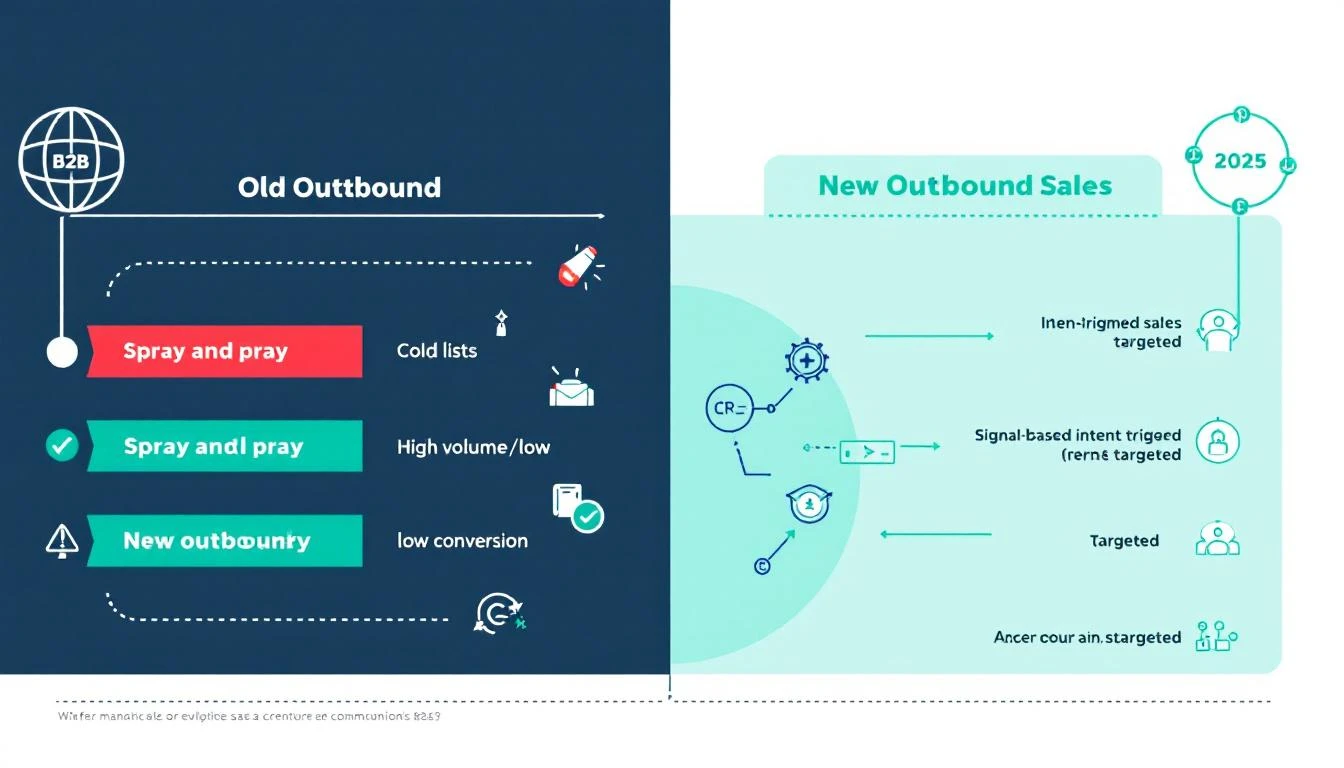
Here's the thing: they're both right. The old outbound — spray-and-pray cold emails to purchased lists, generic sequences blasted at 5,000 contacts a week — that outbound is dying. The numbers are brutal and getting worse.
But outbound itself? The motion of proactively reaching out to people who are likely to buy? That's never been more effective — if you know who to reach, when to reach them, and what to say.
We pulled data from 14 major B2B sales studies published between 2024 and 2026, covering 170,000+ leads, 939 companies, and millions of sales activities. Here's what the numbers actually say.
The Case Against Outbound (And Why It's Misleading)
Let's start with the numbers that fuel the "outbound is dead" narrative. They're real, and they're ugly:
- 91% of cold outreach emails get zero response (Backlinko, 2025)
- Cold email reply rates hover at 1–5% for most campaigns (SoPro, 2026; Mailshake, 2026)
- Cold outreach conversion rates sit at 0.2–2% from contact to customer (Martal Group, 2025)
- 83.4% of SDRs fail to consistently hit quota (SalesSo, 2025)
- 52% of outbound marketers say their efforts are "ineffective" (HubSpot, via SPOTIO 2026)
If you stopped here, you'd conclude outbound is a money pit. And for teams doing outbound the 2019 way — buying lists, writing generic templates, and hoping for the best — it absolutely is.
But the data tells a much more interesting story when you separate random outbound from signal-based outbound.
The Data That Proves Outbound Is Evolving, Not Dying
1. Buyers Still Want to Hear From Sellers (When It's Relevant)
The loudest stat against outbound comes from buyer surveys. But the actual surveys tell the opposite story:
- 82% of buyers accept meetings initiated through cold calls (RAIN Group, via Leads at Scale, 2026)
- 81% of decision-makers engage with cold outreach when it's tailored to their company or context (SoPro Buyer Intelligence Report, 2026)
- 79% of decision-makers reply to cold outreach when it's personalized and relevant (SoPro, 2026)
The pattern is clear. Buyers aren't rejecting outbound. They're rejecting irrelevant outbound. There's a massive difference.
2. Personalization Doubles Response Rates
Generic emails get generic results. The data shows exactly how much personalization matters:
- Advanced personalization doubles cold email response rates — 18% vs. 9% for generic (SoPro, 2026)
- 89% of sales teams see positive ROI when using personalization in cold email campaigns (SoPro, 2026)
- Emails referencing a specific trigger event (new hire, funding round, tech adoption) see 3x higher reply rates than standard personalization (name + company)
This isn't about {first_name} merge fields. It's about knowing that a prospect's company just visited your pricing page, that their competitor signed with you last month, or that they posted about the exact problem you solve.
3. Multichannel Outreach Crushes Single-Channel by 287%
The single most important stat in modern outbound:
Outreach using email, phone, and LinkedIn together increases response rates by 287% compared to single-channel efforts. — Martal Group, 2025
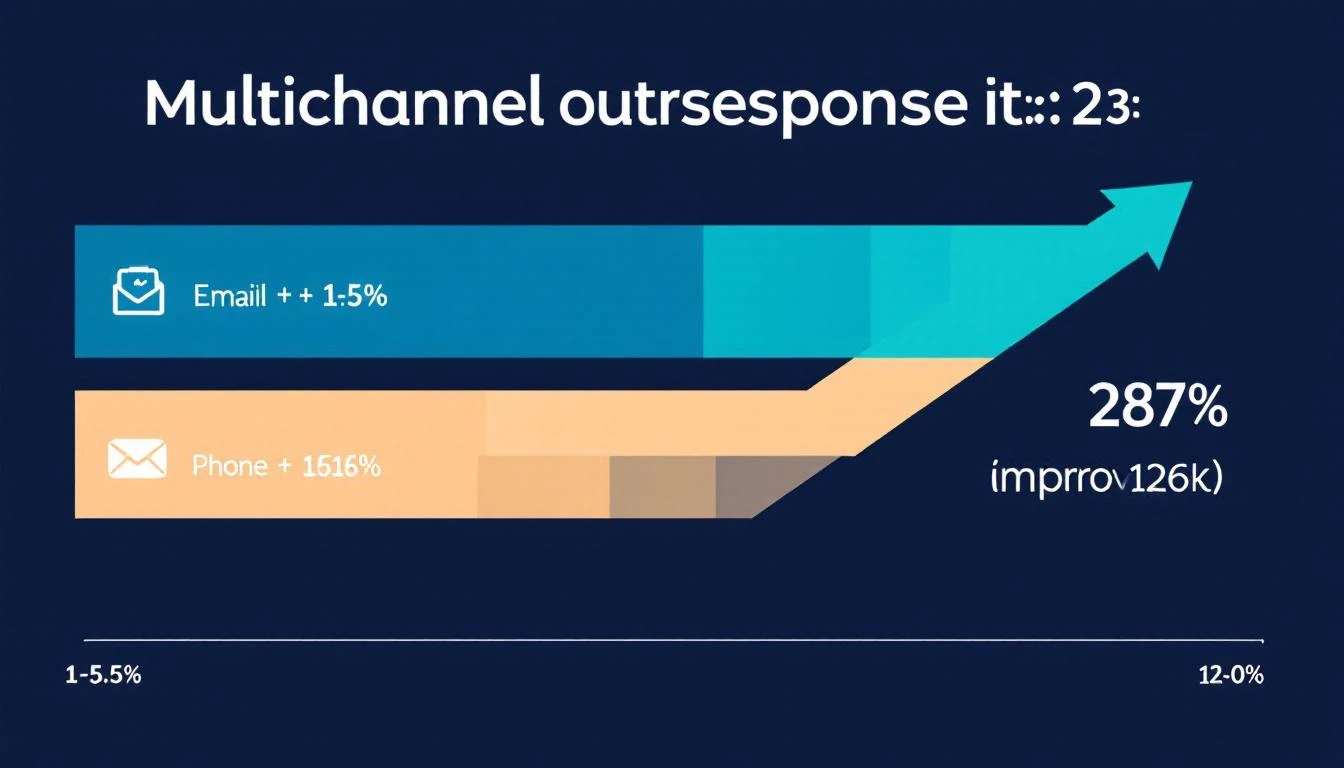
Here's the breakdown from Optifai's study of 939 B2B SaaS companies:
| Channel | Conversion to Meeting |
|---|---|
| Cold call only | 2.0–3.5% |
| Cold email only | 0.8–2.0% |
| LinkedIn DM only | 2.0–4.5% |
| Multi-touch sequence | 4.0–7.0% |
Multi-touch sequences convert at 2–3x any single channel. Yet most SDR teams still run email-only or phone-only motions because their tools don't coordinate across channels.
4. Top SDRs Still Book 12–15 Meetings Per Month
Despite the "outbound is dead" narrative, top-quartile SDRs consistently generate 12–15 qualified meetings per month. The median sits at 8–10. Elite performers (top 10%) hit 18+ meetings monthly (Optifai Pipeline Study, 2026; N=939).
The gap between top and bottom performers has never been wider:
| Performance Tier | Monthly Meetings |
|---|---|
| Top 10% (elite) | 18+ |
| Top 25% | 12–15 |
| Median | 8–10 |
| Bottom 25% | 4–6 |
What separates them isn't effort. Bottom-quartile SDRs often make just as many calls. The difference is what they do before they pick up the phone: which accounts they target, what signals they act on, and how they sequence across channels.
5. Speed Still Wins — But Almost Nobody Is Fast Enough
The data on speed-to-lead hasn't changed. What's changed is how few teams achieve it:
- Responding within 5 minutes makes you 100x more likely to connect than waiting 30 minutes (InsideSales/XANT)
- Average lead response time: 29+ hours (SalesSo, 2025)
- 63% of leads never get a response at all (SalesSo, 2025)
The teams that respond fastest aren't doing it through heroic effort. They're using intent signals and automated triggers to surface the right leads the moment they show interest — then routing them to reps with the context needed to have a real conversation.
What Actually Died: The Spray-and-Pray Model
The data points to a clear conclusion. Three things died:
1. Blind Cold Outreach
Sending 5,000 emails to a purchased list with no intent data, no personalization beyond {company_name}, and no multi-channel follow-up. This approach now yields 0.2% conversion rates at best.
2. Volume-First Thinking
The old playbook: more dials = more meetings. But the data shows SDRs making 80+ calls/day with poor targeting often underperform those making 50 calls with better research (Optifai, 2026). Quality won the war against quantity.
3. Single-Channel Sequences
Email-only cadences. Phone-only blitzes. Any outreach strategy that doesn't coordinate across at least 2–3 channels is leaving 287% response improvement on the table.
What Replaced It: Signal-Based Outbound
The highest-performing SDR teams in 2026 share a common pattern. They don't start with a list. They start with a signal.
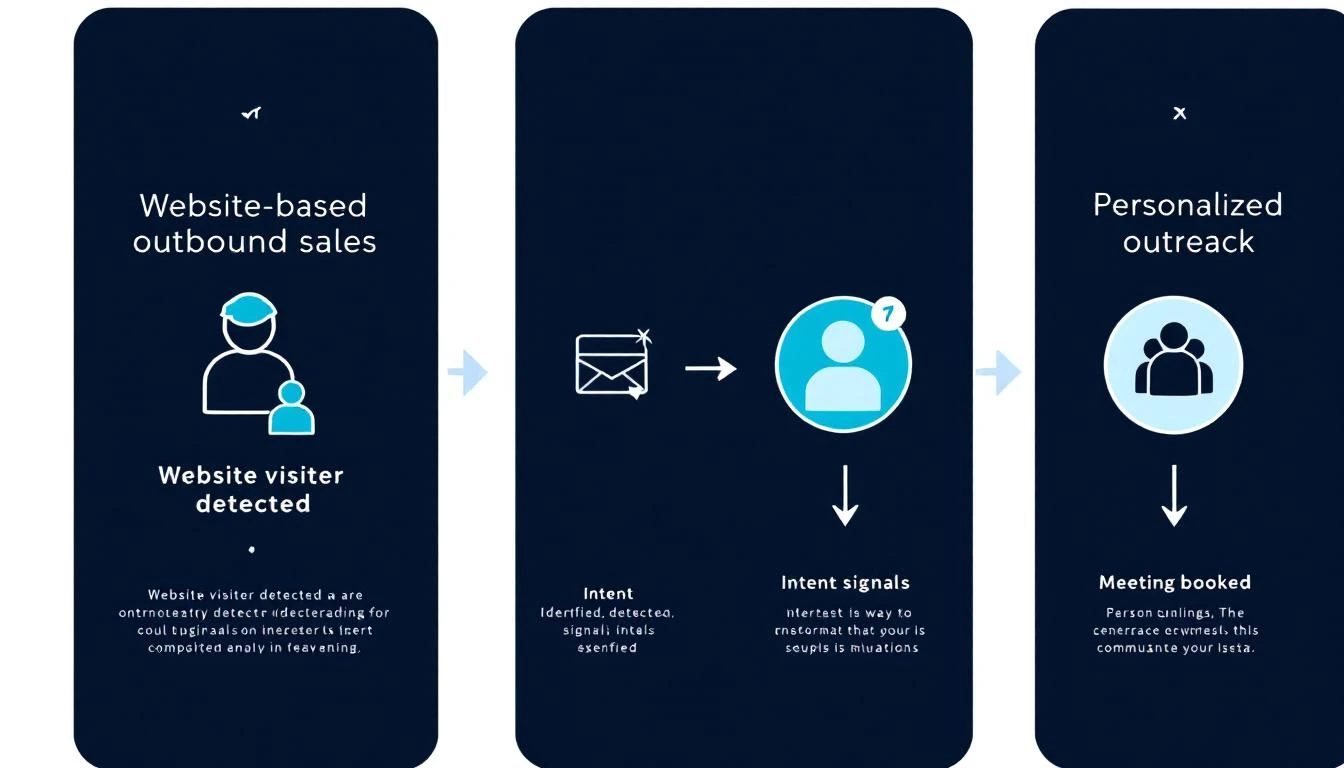
Here's the framework that the data supports:
Step 1: Detect the Signal
Instead of cold lists, start with buying signals:
- A target account visits your website (visitor identification)
- A champion at a closed-lost account changes jobs
- A prospect's company posts a role matching your use case
- A competitor's customer complains on G2
- A target account researches your category
Step 2: Enrich and Prioritize
Not all signals are equal. The teams booking 15+ meetings/month score and rank their signals:
- Website visitor who hit the pricing page > homepage bounce
- Return visitor (3rd visit this week) > first-time visitor
- Decision-maker title > individual contributor
- Signal from ICP company > outside-ICP company
Step 3: Orchestrate Multi-Channel
Act on the signal within minutes across multiple channels:
- Email personalized to the signal ("I noticed your team has been researching...")
- Phone call with context (not a cold dial — a warm call backed by data)
- LinkedIn touch that references a relevant insight
- AI chatbot that engages repeat visitors in real-time
Step 4: Let AI Handle the Repetition, Humans Handle the Conversation
The data is clear: SDRs spend only 28–39% of their time selling. The rest goes to research, CRM entry, and admin. The winning formula:
- AI identifies and prioritizes signals automatically
- AI drafts personalized outreach based on context
- AI routes leads to the right rep with full context
- Humans take the meetings, build relationships, and close
The Math: Why Signal-Based Outbound Is 4x More Efficient
Let's run the numbers.
Traditional outbound (spray-and-pray):
- 100 cold contacts per day
- 2% reply rate = 2 replies
- 20% of replies convert to meetings = 0.4 meetings/day
- 20 working days = 8 meetings/month
- Cost per meeting: $300–$500 (factoring in fully loaded SDR costs)
Signal-based outbound:
- 30 signal-triggered contacts per day (warm, intent-verified)
- 8–12% reply rate (personalized + multi-channel) = 3 replies
- 40% of replies convert to meetings = 1.2 meetings/day
- 20 working days = 24 meetings/month
- Cost per meeting: $100–$150
Same SDR. Same hours. 3x the meetings at 1/3 the cost. The difference is what happens before the outreach: signal detection, prioritization, and context.
The 5 Non-Negotiables for Outbound in 2026
Based on the data across all 14 studies, here's what separates teams that are thriving from teams declaring outbound dead:
1. Visitor Identification
You can't respond to signals you can't see. Website visitor identification is no longer optional — it's the foundation of modern outbound. Knowing which companies are researching you right now is the highest-intent signal available.
2. Multi-Channel Orchestration
Email + phone + LinkedIn in coordinated sequences. Not three separate efforts — one orchestrated motion that adapts based on prospect engagement. The 287% improvement stat isn't theoretical. It's the baseline expectation.
3. Speed-to-Signal Response
Not just speed-to-lead. Speed-to-signal. When a target account hits your pricing page at 10:14 AM, the outreach should start by 10:20 AM. Manually? Impossible for most teams. Automated signal routing makes it systematic.
4. Daily Playbook (Not Just a Lead List)
The SDR playbook isn't a static document anymore. It's a live, prioritized task list that updates throughout the day based on incoming signals. "Call these 15 accounts, in this order, because of these signals, saying these things." That's what eliminates the 60% of time SDRs waste on non-selling activities.
5. AI-Powered Personalization at Scale
Personalization doubles response rates, but doing it manually doesn't scale. AI SDR tools that draft contextual outreach based on real signals — not just mail-merge tokens — bridge the gap between personalization quality and outbound volume.
The Bottom Line
Outbound isn't dead. Lazy outbound is dead.
The data is unambiguous: buyers want to hear from sellers who understand their business, reference real context, and reach them through the right channel at the right time. That's not cold outreach — that's signal-based selling.
The teams declaring outbound dead are the same teams still sending 5,000 generic emails a week and wondering why nobody replies. The teams quietly booking 15–24 meetings a month are doing something fundamentally different: they're starting with signals, orchestrating across channels, and letting AI handle everything that isn't a human conversation.
The question isn't whether outbound works in 2026. The question is whether your outbound has evolved past 2019.
Ready to see what signal-based outbound looks like in practice? Book a demo → and we'll show you exactly which companies are visiting your site right now — and what to do about it.