
Multi-Language Cold Outreach with AI: Expand Globally with Claude Code [2026]
Here's a paradox: B2B companies want to expand internationally, but their SDR teams only speak English.
The traditional solutions—hire native speakers, use translation agencies, or (worst) run English outreach in non-English markets—are either expensive, slow, or ineffective.
But AI has changed this. Claude Code can generate culturally-aware, professionally-translated outreach in 50+ languages—with the nuance that Google Translate will never achieve.
Let me show you how to build a multi-language outreach system that scales globally without scaling headcount.
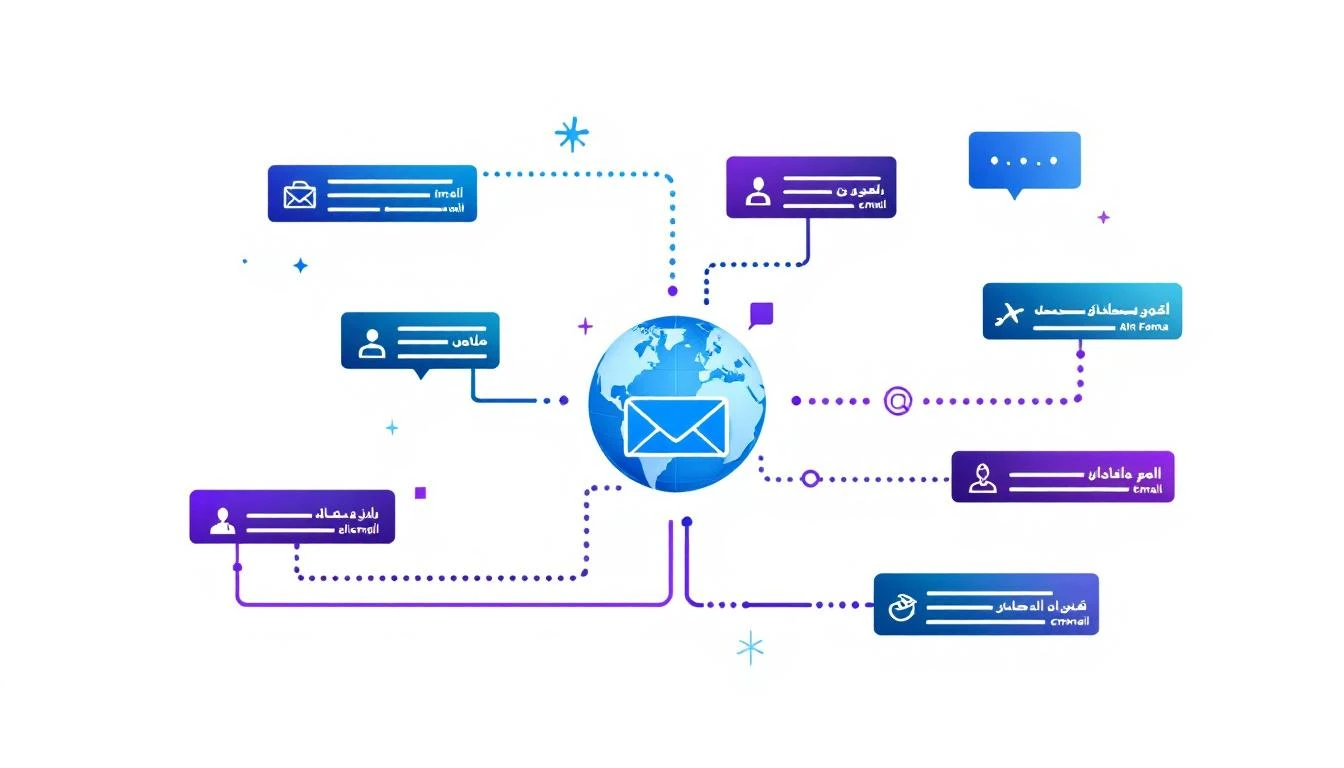
Why English-Only Outreach Fails Internationally
Let's look at the data:
- 72% of consumers prefer buying from sites in their native language (CSA Research)
- 56% say language is more important than price
- Response rates drop 60-80% when using English in non-English markets
The math is brutal: your German prospects are 3-5x more likely to respond to German outreach.
But it's not just translation. It's localization:
| Language | Cultural Nuance |
|---|---|
| German | Formal titles matter. "Herr Doktor Müller" > "Hi Thomas" |
| French | Relationship-first. Don't pitch immediately. |
| Japanese | Hierarchy is critical. Know their position. |
| Spanish | Regional variations (Spain vs LATAM) are significant |
| Arabic | Right-to-left text, formal greetings expected |
AI doesn't just translate words. It adapts tone, formality, and cultural expectations.
The Multi-Language Outreach Framework
Here's how to build it:
- Language detection (identify prospect's language)
- Cultural context injection (regional norms, business etiquette)
- Native-quality generation (not translation—creation)
- Localized follow-ups (appropriate cadence for culture)
Step 1: Intelligent Language Detection
Before generating outreach, you need to know what language to use:
# Language detection and regional analysis
def detect_prospect_language(prospect):
    """
    Determines appropriate outreach language based on multiple signals
    """

    signals = {
        'company_hq': prospect.get('company_country'),
        'linkedin_language': prospect.get('linkedin_language_setting'),
        'website_language': detect_website_language(prospect.get('company_website')),
        'name_origin': analyze_name_origin(prospect.get('full_name')),
        'email_domain': extract_country_from_domain(prospect.get('email'))
    }

    # Country to language mapping (with regional variants)
    language_map = {
        'Germany': 'de-DE',
        'Austria': 'de-AT',
        'Switzerland': 'de-CH',  # Could also be French or Italian
        'France': 'fr-FR',
        'Canada': 'en-CA',  # Or fr-CA if Quebec
        'Mexico': 'es-MX',
        'Spain': 'es-ES',
        'Brazil': 'pt-BR',
        'Japan': 'ja-JP',
        # ... expanded mapping
    }

    # Weighted decision
    primary_country = signals['company_hq'] or signals['linkedin_language']

    # Special cases
    if primary_country == 'Switzerland':
        # Check region for language
        return detect_swiss_language(prospect)

    if primary_country == 'Canada':
        # Check if Quebec
        if prospect.get('province') == 'Quebec':
            return 'fr-CA'
        return 'en-CA'

    return language_map.get(primary_country, 'en-US')
Step 2: Cultural Context Injection
This is where AI shines. Claude Code can incorporate cultural business norms:
# Cultural context for outreach generation
CULTURAL_CONTEXTS = {
    'de-DE': {
        'formality': 'high',
        'greeting': 'Sehr geehrte/r {title} {last_name}',
        'sign_off': 'Mit freundlichen Grüßen',
        'tone': 'professional, direct, data-driven',
        'avoid': ['humor in first touch', 'overly casual language', 'first name without permission'],
        'include': ['company credentials', 'specific numbers', 'clear next steps'],
        'timing': 'Avoid Friday afternoon, Germans leave early',
        'title_importance': 'Always use Dr., Prof., etc. if applicable'
    },
    'fr-FR': {
        'formality': 'high',
        'greeting': 'Bonjour {title} {last_name}',
        'sign_off': 'Cordialement',
        'tone': 'elegant, relationship-focused, sophisticated',
        'avoid': ['jumping to business immediately', 'aggressive follow-ups'],
        'include': ['mutual connections', 'thoughtful opening', 'respect for their time'],
        'timing': 'Never during August (vacances), lunch is sacred (12-14h)',
        'title_importance': 'Use Monsieur/Madame always'
    },
    'ja-JP': {
        'formality': 'very_high',
        'greeting': '{last_name}様',
        'sign_off': 'よろしくお願いいたします',
        'tone': 'humble, respectful, group-oriented',
        'avoid': ['direct criticism', 'rushing decisions', 'singling out individuals'],
        'include': ['company introduction first', 'consensus-building language', 'long-term perspective'],
        'timing': 'Respect hierarchy—contact appropriate level',
        'title_importance': 'San (様) required, company name before person'
    },
    'es-MX': {
        'formality': 'medium-high',
        'greeting': 'Estimado/a {title} {last_name}',
        'sign_off': 'Saludos cordiales',
        'tone': 'warm, personal, relationship-oriented',
        'avoid': ['rushing', 'cold/impersonal tone', 'ignoring small talk'],
        'include': ['personal touch', 'reference to mutual benefit', 'flexibility in timing'],
        'timing': 'Meetings often start late, be patient',
        'title_importance': 'Licenciado/Ingeniero common for professionals'
    },
    'pt-BR': {
        'formality': 'medium',
        'greeting': 'Prezado/a \{first_name\}',
        'sign_off': 'Atenciosamente',
        'tone': 'friendly, enthusiastic, personal',
        'avoid': ['being too formal', 'negative framing'],
        'include': ['relationship building', 'optimism', 'personal connection'],
        'timing': 'Carnaval and major holidays are dead periods',
        'title_importance': 'First names common after initial contact'
    }
}

def get_cultural_context(language_code):
    return CULTURAL_CONTEXTS.get(language_code, CULTURAL_CONTEXTS['en-US'])
Step 3: Native-Quality Generation with Claude
This is the key insight: Claude doesn't translate. Claude creates.
When you ask Claude to write a cold email in German, it doesn't write in English and translate. It thinks in German business culture and generates natively.
# Native-language outreach generation with Claude Code
async def generate_localized_outreach(prospect, language_code):
    """
    Generates culturally-appropriate outreach in target language
    """

    cultural_context = get_cultural_context(language_code)

    prompt = f"""
    Generate a cold outreach email for a B2B SaaS product.

    LANGUAGE: {language_code}

    PROSPECT:
    - Name: {prospect['name']}
    - Title: {prospect['title']}
    - Company: {prospect['company']}
    - Industry: {prospect['industry']}

    CULTURAL REQUIREMENTS:
    - Formality level: {cultural_context['formality']}
    - Greeting format: {cultural_context['greeting']}
    - Sign-off: {cultural_context['sign_off']}
    - Tone: {cultural_context['tone']}
    - AVOID: {', '.join(cultural_context['avoid'])}
    - INCLUDE: {', '.join(cultural_context['include'])}

    PRODUCT VALUE PROP:
    - Automates SDR workflows
    - 70% reduction in manual research time
    - 2x faster lead response

    CONSTRAINTS:
    - Write NATIVELY in {language_code}, do not translate from English
    - Respect all cultural norms listed above
    - Keep under 150 words
    - Include ONE clear call to action
    - Do not use English words unless they are standard industry terms

    Generate the complete email including subject line.
    """

    response = await claude.generate(
        prompt=prompt,
        model='claude-3-opus',
        max_tokens=500
    )

    return {
        'language': language_code,
        'subject': extract_subject(response),
        'body': extract_body(response),
        'cultural_notes': cultural_context
    }
Example output (German):
Betreff: Effizienzsteigerung im Vertrieb bei {Company}
Sehr geehrter Herr Dr. Müller,
als Leiter des Vertriebsteams bei {Company} kennen Sie die Herausforderung: Ihr Team verbringt mehr Zeit mit Recherche als mit Verkaufsgesprächen.
Unsere Kunden berichten von einer 70%igen Reduzierung des manuellen Aufwands bei der Lead-Qualifizierung. Für ein Unternehmen Ihrer Größe bedeutet das durchschnittlich 15 zusätzliche Stunden pro Woche für wertschöpfende Aktivitäten.
Wäre ein kurzes Gespräch nächste Woche möglich, um zu besprechen, wie dies auch bei {Company} funktionieren könnte?
Mit freundlichen Grüßen, [Name]
Notice: No "Hi Thomas!" No casual American tone. Professional German business communication.
Step 4: Localized Follow-Up Cadences
Different cultures have different expectations for follow-up:
# Culture-specific follow-up cadences
cadences:
  de-DE:
    name: "German Professional"
    steps:
      - day: 0
        channel: email
        note: "Initial outreach, formal"
      - day: 5
        channel: email
        note: "Value-add follow-up with data/case study"
      - day: 12
        channel: linkedin
        note: "Connection request with personalized note"
      - day: 18
        channel: email
        note: "Final attempt, offer alternative contact"
    notes: "Germans appreciate persistence but not pressure. Data > emotion."

  fr-FR:
    name: "French Relationship"
    steps:
      - day: 0
        channel: email
        note: "Thoughtful introduction, reference mutual connection if possible"
      - day: 7
        channel: linkedin
        note: "Connect and engage with their content first"
      - day: 14
        channel: email
        note: "Reference their recent work/news, suggest coffee"
      - day: 21
        channel: call
        note: "If engaged, phone call (never cold)"
    notes: "Relationship first. Never rush. August is dead."

  ja-JP:
    name: "Japanese Formal"
    steps:
      - day: 0
        channel: email
        note: "Formal introduction of company and purpose"
      - day: 10
        channel: email
        note: "Follow-up with additional company credentials"
      - day: 21
        channel: introduction
        note: "Seek warm introduction through mutual contact"
      - day: 35
        channel: email
        note: "Gentle follow-up, offer to meet at their convenience"
    notes: "Patience is essential. Group decision-making takes time. Warm intros > cold."
Automating with OpenClaw
Here's how to tie it all together with continuous multi-language campaigns:
# Multi-language outreach automation with OpenClaw
schedule:
  kind: cron
  expr: "0 8 * * *"  # Daily at 8am

payload:
  kind: agentTurn
  message: |
    Process today's international outreach queue:

    1. LANGUAGE DETECTION
       For each new prospect without assigned language:
       - Detect appropriate language
       - Assign cultural context
       - Log decision reasoning

    2. CONTENT GENERATION
       For prospects needing outreach:
       - Generate native-language email using cultural context
       - Ensure compliance with regional requirements (GDPR for EU, etc.)
       - Queue for review if confidence < 90%

    3. TIMING OPTIMIZATION
       Adjust send times for recipient timezone:
       - DE/FR/EU: 9-10am local
       - JP: 10-11am local
       - LATAM: 10-11am local
       - Respect cultural no-send times (Friday PM for DE, August for FR)

    4. FOLLOW-UP MANAGEMENT
       Check prospects in active sequences:
       - Advance to next step if appropriate
       - Adjust based on engagement signals
       - Flag any responses for native review

    Report: Languages processed, emails generated, cultural flags raised
Quality Assurance: When to Get Human Review
AI-generated foreign language outreach is good—but not perfect. Build in review for:
High-stakes situations:
- Enterprise deals (> $100K potential)
- Sensitive industries (government, healthcare)
- Cultures with high formality requirements (Japan, Korea)
Low-confidence scenarios:
- Mixed signals on language preference
- Unusual name origins
- Multi-national companies (HQ vs local office)
# Quality assurance routing
def route_for_review(outreach, prospect):
    """
    Determines if AI-generated outreach needs human review
    """

    needs_review = False
    reasons = []

    # High-value deals
    if prospect['estimated_acv'] > 100000:
        needs_review = True
        reasons.append('High ACV - enterprise touch required')

    # High-formality cultures
    if outreach['language'] in ['ja-JP', 'ko-KR', 'zh-CN']:
        needs_review = True
        reasons.append('High-formality culture - native review recommended')

    # Low confidence detection
    if outreach['language_confidence'] < 0.85:
        needs_review = True
        reasons.append(f"Language detection confidence: {outreach['language_confidence']}")

    # First outreach in new language
    if not has_previous_success(outreach['language']):
        needs_review = True
        reasons.append('First campaign in this language - establish baseline')

    return {
        'needs_review': needs_review,
        'reasons': reasons,
        'reviewer_type': 'native_speaker' if needs_review else None
    }
Measuring Success Across Languages
Track these metrics by language:
| Metric | Why It Matters |
|---|---|
| Open rate by language | Validates subject line localization |
| Reply rate by language | Core effectiveness measure |
| Positive reply rate | Quality of localization |
| Meeting booked rate | End conversion |
| Time to response | Cultural timing alignment |
Expected benchmarks:
| Region | Open Rate | Reply Rate | Positive Reply |
|---|---|---|---|
| DACH (DE/AT/CH) | 35-45% | 8-12% | 4-6% |
| France | 30-40% | 6-10% | 3-5% |
| LATAM | 40-50% | 10-15% | 5-8% |
| Japan | 25-35% | 3-6% | 1-3% |
| Nordics | 35-45% | 8-12% | 4-6% |
Lower absolute numbers in Japan are normal—decision cycles are longer but deal sizes often larger.
Implementation Roadmap
Week 1: Market Selection
- Identify top 3-5 target markets beyond English
- Research cultural business norms for each
- Document language-specific requirements
Week 2: Detection & Context
- Build language detection pipeline
- Create cultural context files for each market
- Test detection accuracy on existing prospects
Week 3: Generation & Testing
- Configure Claude prompts for each language
- Generate sample outreach, get native review
- Refine based on feedback
Week 4: Launch & Measure
- Deploy multi-language campaigns
- Track metrics by language
- Iterate on underperforming regions
Try our AI Lead Generator — find verified LinkedIn leads for any company instantly. No signup required.
The Global Opportunity
Most B2B companies leave international markets to competitors because "we don't have German speakers."
That's no longer an excuse.
With Claude Code generating native-quality outreach and OpenClaw automating the workflow, your 5-person SDR team can cover markets that used to require 50.
The companies expanding fastest aren't the ones with the biggest teams. They're the ones with the smartest systems.
Build yours.
Want to see how MarketBetter helps teams scale personalized outreach globally?