
AI-Powered SEO: How to Optimize Content with Claude Code and Codex [2026]
Your content is great. Your rankings are not.
You've published 50 blog posts. Maybe 3 rank on page one. The rest languish on page 4, getting zero traffic, providing zero pipeline.
Here's the uncomfortable truth: Writing good content and writing content that ranks are two different skills. And AI can bridge that gap.
In this guide, I'll show you how to use Claude Code, OpenClaw, and the new GPT-5.3 Codex to systematically optimize every piece of content for search—without becoming an SEO expert yourself.
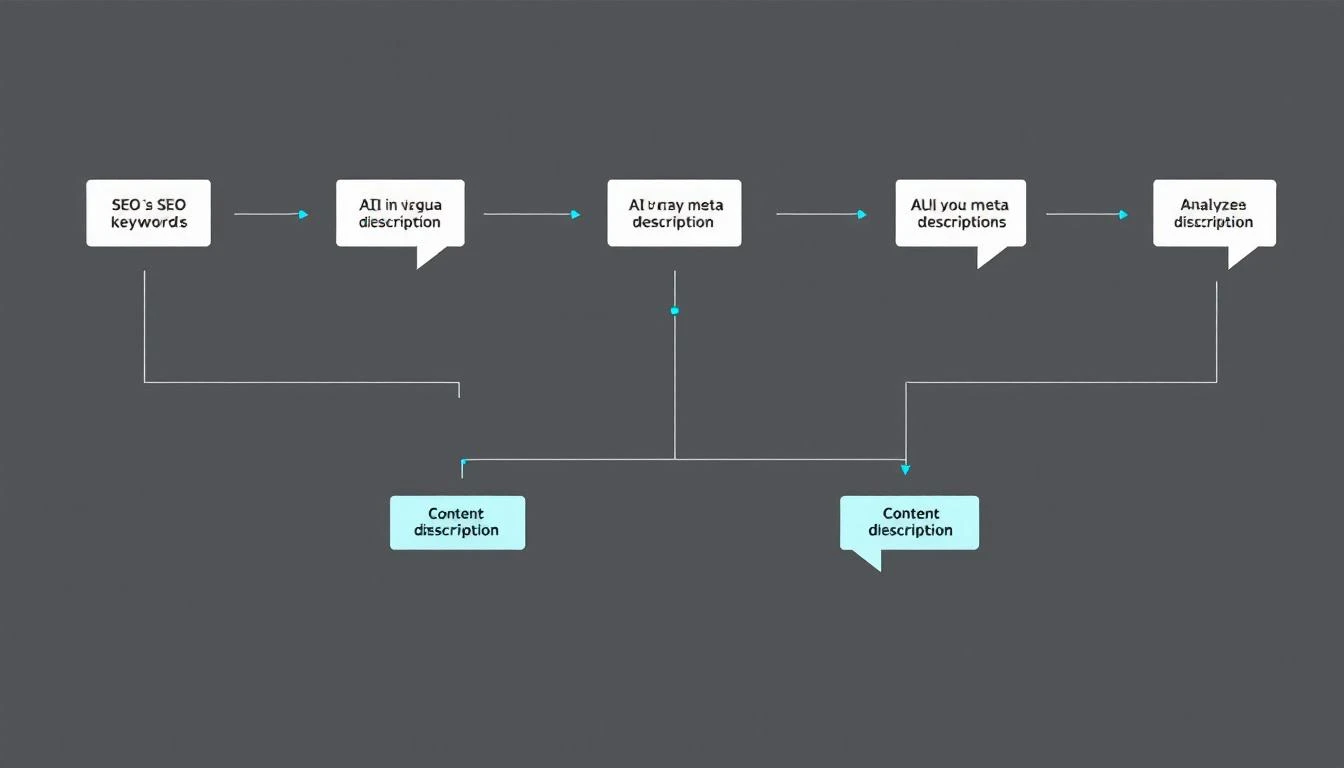
Why AI + SEO Is a Perfect Match
Traditional SEO requires:
- Keyword research across multiple tools
- Competitor content analysis
- On-page optimization checklists
- Meta tag crafting
- Internal linking strategies
- Content gap identification
Each task is analytical and pattern-based—exactly what AI excels at.
The old way: Pay an SEO agency $5-10K/month to do this manually. The new way: Claude does it in seconds, for pennies.
The AI SEO Optimization Stack
| Task | Tool | Time |
|---|---|---|
| Keyword research | Claude Code + web search | 2 minutes |
| Competitor analysis | Claude Code | 3 minutes |
| Content optimization | Claude Code or Codex | 5 minutes |
| Meta tag generation | Claude Code | 30 seconds |
| Internal linking | OpenClaw automation | Automatic |
| Content gap analysis | Claude Code | 5 minutes |
Total time per post: ~15 minutes vs 2+ hours manual.
Step 1: AI-Powered Keyword Research
The Traditional Way
- Open Ahrefs/SEMrush
- Search your topic
- Export 200 keywords
- Manually analyze difficulty vs volume
- Pick winners (hopefully)
The AI Way
Claude Code Prompt for Keyword Research:
I'm writing a blog post about [TOPIC] for a B2B [INDUSTRY] audience.

Research and provide:

1. PRIMARY KEYWORD
   - High search intent (people ready to buy/evaluate)
   - Reasonable difficulty for a site with ~30 DA
   - Format: "[keyword]" - [estimated monthly volume]

2. SECONDARY KEYWORDS (5-7)
   - Related terms to include naturally
   - Mix of head terms and long-tail
   - Include at least 2 question-based keywords

3. SEMANTIC KEYWORDS (10-15)
   - LSI terms that signal topical authority
   - Industry-specific terminology
   - Related concepts Google expects to see

4. COMPETITOR ANALYSIS
   - Who ranks #1-3 for the primary keyword?
   - What's their word count?
   - What angles are they using?
   - What's MISSING from their content?

Output in a format I can reference while writing.
Example Output:
PRIMARY KEYWORD:
"ai sales automation" - ~2,400/mo

SECONDARY KEYWORDS:
- "ai for sales teams" - ~1,200/mo
- "automated sales outreach" - ~800/mo
- "ai sdr tools" - ~600/mo
- "sales automation software" - ~3,200/mo
- "how to automate sales process" - ~400/mo

SEMANTIC KEYWORDS:
AI, machine learning, sales productivity, lead scoring,
email automation, CRM integration, prospecting, outbound,
personalization, sequences, workflow automation...

COMPETITOR ANALYSIS:
#1: HubSpot (8,200 words, comprehensive guide)
    Angle: Broad overview, beginner-focused
    Missing: Specific AI tool comparisons, 2026 landscape

#2: Salesforce (4,100 words, product-focused)
    Angle: How their tools solve this
    Missing: Neutral perspective, alternatives

GAP OPPORTUNITY:
Write a 2026-specific comparison of AI coding agents
(Claude, Codex, OpenClaw) for sales automation.
More technical depth, practical implementation.
Now you know exactly what to target and how to differentiate.
Bonus: Automated Keyword Tracking
Set up OpenClaw to track your keywords weekly:
cron:
  - name: "Weekly Keyword Tracking"
    schedule:
      kind: cron
      expr: "0 8 * * 1"  # Monday 8 AM
    payload:
      kind: systemEvent
      text: |
        Check current rankings for our tracked keywords:
        1. ai sales automation
        2. sdr productivity tools
        3. [other keywords]

        Search each on Google, note our position.
        Compare to last week.
        Send report to #seo-tracking channel.
    sessionTarget: main
Step 2: Optimizing Existing Content
Got posts that aren't ranking? AI can diagnose and fix them.

The Content Audit Prompt
Analyze this blog post for SEO optimization:

[PASTE YOUR CONTENT]

Target keyword: [YOUR KEYWORD]

Evaluate:

1. TITLE TAG ANALYSIS
   - Is the keyword in the title?
   - Is it compelling for CTR?
   - Is it under 60 characters?
   - Suggested improvement if needed

2. META DESCRIPTION
   - Does it include the keyword?
   - Does it compel clicks?
   - Is it 150-160 characters?
   - Suggested improvement

3. CONTENT STRUCTURE
   - H1 includes keyword? Y/N
   - H2s use secondary keywords? Which ones?
   - Content depth vs competitors
   - Missing sections to add

4. ON-PAGE SIGNALS
   - Keyword density (aim for 1-2%)
   - First 100 words include keyword? Y/N
   - Image alt text opportunities
   - Internal linking opportunities

5. SPECIFIC FIXES
   List 5-10 specific changes to improve rankings:
   - [Change 1]
   - [Change 2]
   ...

6. REWRITTEN SECTIONS
   Provide optimized versions of:
   - Title tag
   - Meta description
   - Introduction (first 100 words)
   - Any weak H2s
Example Audit Output
TITLE TAG ANALYSIS:
Current: "How We Improved Sales Productivity"
Issue: No keyword, vague, won't rank
Improved: "AI Sales Automation: How to 10x SDR Productivity [2026]"

META DESCRIPTION:
Current: None set (Google auto-generating)
Improved: "Learn how to automate your sales process with AI.
Step-by-step guide to using Claude Code and OpenClaw for
prospecting, outreach, and pipeline management."

CONTENT STRUCTURE:
- H1: ❌ No keyword (fix: include "AI Sales Automation")
- H2s: ❌ Missing "automated outreach", "ai prospecting"
- Depth: 1,200 words vs competitor average of 3,500
- Missing: Comparison section, tool recommendations, FAQs

SPECIFIC FIXES:
1. Add "ai sales automation" to H1
2. Expand from 1,200 to 3,000+ words
3. Add section on tool comparison (Claude vs Codex vs...)
4. Add FAQ schema at bottom (5-7 questions)
5. Include 3+ internal links to related posts
6. Add image with alt text "ai sales automation workflow"
7. Add statistics (cite sources)
8. Include case study or example
9. Update publish date to current
10. Add table of contents for scannability
Using Codex for Real-Time Optimization
GPT-5.3 Codex's mid-turn steering makes it perfect for iterative optimization:
> Codex, analyze this post for SEO

[Codex reviewing...]
"Title doesn't include target keyword..."
"Content is thin compared to competitors..."

> Focus on the content gaps

[Codex adjusting...]
"Competitors cover these topics you're missing:
- Implementation timeline
- Cost comparison
- Common mistakes..."

> Write me those sections

[Codex drafts sections...]
Step 3: Automated Meta Tag Generation
Meta tags are tedious. Let AI handle them.
The Meta Generation Prompt
Generate optimized meta tags for this content:

Title: [YOUR H1]
Target Keyword: [KEYWORD]
Content Summary: [2-3 sentences]

Provide:

1. SEO TITLE (under 60 chars)
   - Include keyword near beginning
   - Add year [2026] for freshness
   - Make it click-worthy

2. META DESCRIPTION (150-160 chars)
   - Include keyword naturally
   - Include a benefit or curiosity hook
   - Soft CTA if appropriate

3. URL SLUG
   - Short, keyword-rich
   - No dates in URL
   - Lowercase, hyphens only

4. OG TITLE (for social)
   - Can be slightly longer/catchier
   - Optimized for social CTR

5. OG DESCRIPTION (for social)
   - More conversational
   - Focus on intrigue/value

6. SCHEMA SUGGESTIONS
   - Article type
   - FAQ schema questions
   - HowTo schema if applicable
Batch Processing with OpenClaw
For multiple posts, automate:
# In your OpenClaw workspace
agents:
  meta-optimizer:
    model: claude-sonnet-4-20250514
    systemPrompt: |
      You generate SEO-optimized meta tags.
      Always include the target keyword.
      Always add [2026] to titles.
      Keep titles under 60 chars.
      Keep descriptions 150-160 chars.
Then process your backlog:
"Optimize meta tags for all posts in /blog/ folder
that were published before January 2026"
Step 4: AI-Powered Internal Linking
Internal links boost SEO and keep readers on site. But manually maintaining them is a nightmare.
The Linking Analysis Prompt
Analyze our blog for internal linking opportunities.

Our posts:
1. [Post Title 1] - URL - Keywords: [...]
2. [Post Title 2] - URL - Keywords: [...]
[... list all posts]

For each post, identify:

1. OUTBOUND LINKS (links this post should have)
   - Related posts to link to
   - Specific anchor text to use
   - Natural insertion points

2. INBOUND LINKS (posts that should link to this)
   - Which other posts should reference this one
   - Suggested anchor text

Output as a linking map I can implement.
Automated Link Insertion
Set up OpenClaw to check for linking opportunities in new posts:
cron:
  - name: "New Post Link Check"
    trigger: "file_created"
    path: "/blog/*.mdx"
    action: |
      Analyze new post for internal linking.
      Suggest 3-5 links to existing content.
      Suggest which existing posts should link back.
      Create PR with link additions.
Step 5: Content Gap Analysis
What should you write next? AI can analyze your competitors and identify gaps.
The Gap Analysis Prompt
Analyze content gaps for [YOUR DOMAIN] in [YOUR NICHE].

Competitors to analyze:
- [Competitor 1 blog URL]
- [Competitor 2 blog URL]
- [Competitor 3 blog URL]

Our existing content:
- [List your post titles/topics]

Identify:

1. TOPICS THEY COVER THAT WE DON'T
   - Topic
   - Estimated search volume
   - Difficulty
   - Our angle opportunity

2. KEYWORDS THEY RANK FOR THAT WE DON'T
   - Keyword
   - Competitor position
   - Our opportunity

3. CONTENT FORMATS WE'RE MISSING
   - Comparison posts?
   - How-to guides?
   - Listicles?
   - Case studies?

4. RECOMMENDED CONTENT CALENDAR (next 30 days)
   - Week 1: [Topic] targeting [keyword]
   - Week 2: [Topic] targeting [keyword]
   ...

Prioritize by: traffic potential × ease of ranking
The Complete AI SEO Workflow
Here's the workflow we use at MarketBetter:
For New Content
- Research (Claude Code): Keywords, competitor analysis, angle identification
- Outline (Claude Code): Structure based on what's ranking
- Write (Human + Claude): Core content with AI assistance
- Optimize (Claude Code): On-page SEO audit
- Meta Tags (Claude Code): Title, description, schema
- Links (OpenClaw): Internal linking check
- Publish and track
For Existing Content
Monthly audit process:
cron:
  - name: "Monthly Content Audit"
    schedule:
      kind: cron
      expr: "0 9 1 * *"  # 1st of month
    payload:
      kind: agentTurn
      message: |
        Run content audit:
        1. Pull posts from last 6 months
        2. Check rankings for target keywords
        3. Identify underperforming posts (<100 monthly visits)
        4. Generate optimization recommendations
        5. Create GitHub issues for each post needing updates
      model: claude-sonnet-4-20250514
    sessionTarget: isolated
Measuring AI SEO Impact
Track these metrics:
| Metric | Baseline | After AI Optimization |
|---|---|---|
| Avg. time per optimization | 2 hours | 15 minutes |
| Posts optimized per week | 2-3 | 10-15 |
| Keywords tracked | ~20 | 100+ |
| Page 1 rankings | X | X + 30% |
| Organic traffic | Baseline | +50-100% |
The leverage is massive. You're not just faster—you can do work that wasn't possible manually.
Common SEO Mistakes AI Catches
- Keyword stuffing - AI knows when density is too high
- Missing keywords in H1 - Caught every time
- Thin content - AI compares to competitors automatically
- Broken internal links - Automated checking
- Outdated information - AI flags old dates and stats
- Missing schema - Suggests appropriate markup
- Poor meta descriptions - Rewrites for CTR
Advanced: Predictive SEO
The frontier is predictive SEO—AI identifying ranking opportunities before you write.
Analyze emerging search trends in [NICHE] for the next 90 days.

Based on:
- Rising search terms
- Industry events/announcements
- Seasonal patterns
- Competitor content velocity

Predict:
1. Topics likely to gain search volume
2. Keywords we should target NOW before competition
3. Content formats that will resonate
4. Timing recommendations
Early movers on trending topics capture disproportionate traffic. AI makes prediction systematic.
Try our AI SEO Checker — see how AI models like ChatGPT and Claude talk about your brand. No signup required.
Ready to Rank?
MarketBetter's content engine uses AI-powered SEO optimization for every blog post and landing page we publish. The result: 4x content output with better rankings.
Book a Demo to see how we're using AI to win search.
Related reading: