
AI Pipeline Velocity Optimization with Claude Code: Accelerate Every Deal [2026]
Your pipeline is full. Your CRM shows a healthy forecast. But deals keep stalling, stages keep slipping, and your actual close rate tells a very different story than your pipeline coverage.
The problem isn't lead volume — it's pipeline velocity. How fast deals move from first touch to closed-won is the single most important metric most sales teams ignore.
Here's the good news: AI coding agents like Claude Code can analyze every deal in your pipeline, identify exactly where velocity drops, and automate the interventions that keep deals moving. Teams using AI-driven pipeline optimization are seeing a 52% increase in pipeline velocity and cutting average sales cycles by 34%.
This guide shows you exactly how to build it.
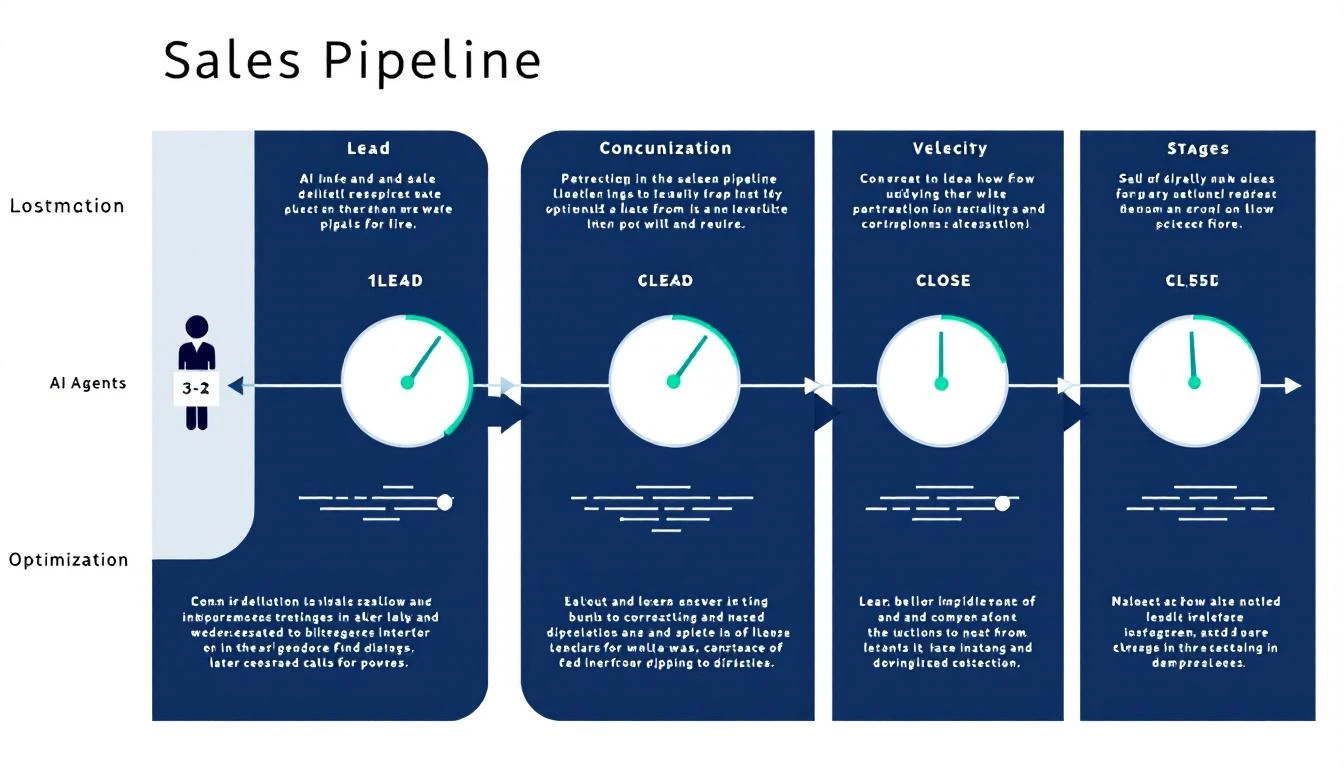
What Is Pipeline Velocity (And Why Most Teams Get It Wrong)?
Pipeline velocity measures how quickly revenue moves through your sales funnel. The formula is simple:
Pipeline Velocity = (Number of Opportunities × Average Deal Value × Win Rate) ÷ Sales Cycle Length
Most teams focus exclusively on the numerator — more opportunities, bigger deals. But the highest-leverage variable is actually the denominator: sales cycle length. Cutting your cycle from 90 days to 60 days has the same impact as increasing your opportunity volume by 50%.
The Hidden Velocity Killers
After analyzing hundreds of B2B pipelines, these are the patterns that destroy velocity:
- Ghost deals — Opportunities that haven't had activity in 14+ days but sit in active pipeline
- Stage camping — Deals that stay in "Proposal Sent" or "Negotiation" for 3x the median
- Missing next steps — 40% of deals have no scheduled next action
- Wrong-stage deals — Deals marked as "Discovery" that haven't had a discovery call
- Zombie pipeline — Deals from last quarter that nobody has the heart to close-lost
Sound familiar? Claude Code can detect all of these automatically.
Setting Up Your Pipeline Velocity Analyzer
Claude Code's 200K context window makes it uniquely powerful for pipeline analysis — you can feed it your entire pipeline snapshot and get intelligent analysis across every deal simultaneously.
Step 1: Define Your Velocity Benchmarks
Before you can optimize, you need baselines. Use Claude Code to calculate your current velocity metrics per stage:
Analyze my pipeline export and calculate:
1. Median days in each stage (Discovery → Demo → Proposal → Negotiation → Close)
2. Stage-to-stage conversion rates
3. Deals currently exceeding 2x median stage duration
4. Average touches per stage for won vs lost deals
5. Day-of-week patterns in stage progression

Flag any deal that's been in the same stage for more than [your threshold] days.
This gives you your velocity fingerprint — the unique pattern of how deals move (or stall) in your pipeline.
Step 2: Build Your Deal Scoring Model
Not every stalled deal is the same. Claude Code can categorize them by recovery likelihood:
Green (High Recovery): Recent engagement, stakeholder responses within 48 hours, clear next step exists but isn't scheduled
Yellow (Needs Intervention): No activity 7-14 days, last email went unanswered, unclear decision timeline
Red (Likely Lost): No activity 21+ days, champion went dark, multiple reschedules, no multi-threading
For each deal in the pipeline, assess:
- Days since last meaningful contact (not automated emails)
- Number of stakeholders engaged (multi-threading score)
- Whether a next meeting is scheduled
- Email response rate trend (improving/declining/flat)
- Competitive mentions in any communication

Classify as Green/Yellow/Red with specific recommended action for each.
Step 3: Automate Stage-Appropriate Interventions
This is where velocity optimization gets powerful. Claude Code can generate hyper-specific interventions based on deal context:
For Discovery-stage stalls:
- Draft a value hypothesis email based on the prospect's recent company news
- Generate industry-specific discovery questions
- Create a personalized ROI calculator pre-filled with estimated metrics
For Demo-stage stalls:
- Generate a post-demo summary highlighting prospect-specific use cases
- Draft a "next steps" email with proposed timeline
- Create a champion enablement deck for internal selling
For Proposal-stage stalls:
- Draft a procurement-friendly one-pager
- Generate competitive differentiation talking points
- Create an executive summary for C-suite stakeholders who weren't in the demo
Real-World Pipeline Velocity Playbook
Here's a concrete workflow you can implement today:
Monday Pipeline Velocity Scan
Every Monday morning, run your pipeline through Claude Code with this prompt framework:
Here's my current pipeline as of [date]. For each deal:

1. Calculate days-in-stage vs our median
2. Identify the #1 risk factor
3. Generate ONE specific action to advance the deal this week
4. Estimate close probability based on engagement patterns
5. Flag any deals that should be closed-lost (saves forecast accuracy)

Prioritize actions by: (a) deal value, (b) recovery likelihood, (c) time sensitivity
The output becomes your team's weekly execution plan. No more Monday pipeline review meetings where reps stare at their CRM and say "I'll follow up." Every deal gets a specific, contextual action.
Daily Velocity Alerts
Set up automated daily scans that flag:
- New stalls: Deals that just crossed your stage-duration threshold
- Momentum shifts: Deals where engagement suddenly dropped (email opens stopped, meeting cancelled)
- Acceleration opportunities: Deals showing buying signals (visited pricing page, added new stakeholders)
Automated Follow-Up Generation
For each flagged deal, Claude Code generates:
- A personalized follow-up email (not template-based — actually personalized to the deal context)
- A suggested talk track for a phone call
- A list of alternative stakeholders to engage if the champion went dark
Connecting Pipeline Velocity to Revenue
Here's the math that should make every VP of Sales pay attention:
Scenario: 100 deals in pipeline, $25K average deal value, 25% win rate, 90-day average cycle
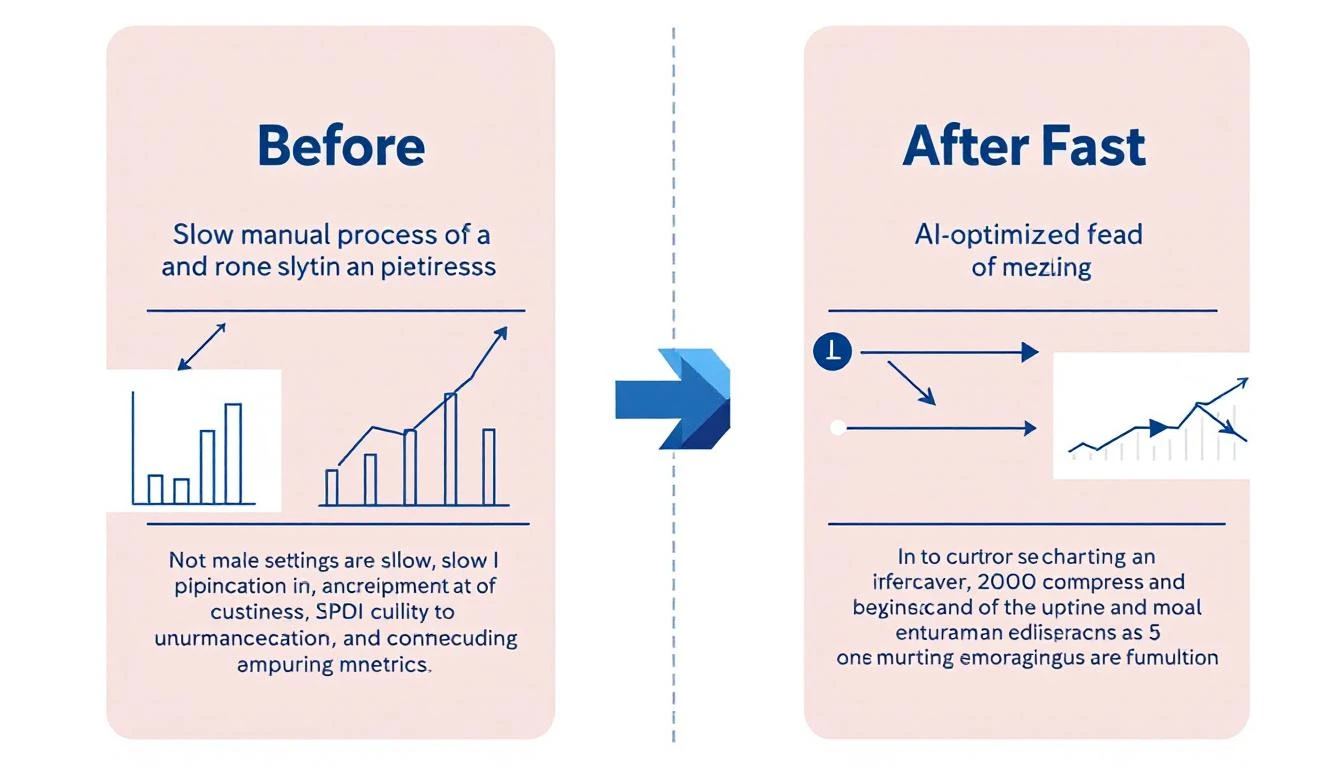
Current velocity: (100 × $25,000 × 0.25) ÷ 90 = $6,944/day
After AI optimization (30% cycle reduction, 5% win rate improvement): (100 × $25,000 × 0.30) ÷ 63 = $11,905/day
That's a 71% increase in daily revenue velocity from optimizing what you already have — no new leads required.
Advanced: Multi-Variable Velocity Optimization
Claude Code's reasoning capability lets you run scenarios that would take analysts days:
Scenario Planning
Given our current pipeline of [X deals worth $Y]:
- What happens to quarterly revenue if we reduce average cycle by 15 days?
- Which 10 deals, if accelerated by 2 weeks, would have the biggest revenue impact?
- If we could only focus on 5 deals this week, which 5 maximize velocity × value?
Win/Loss Pattern Analysis
Compare our last 50 won deals vs last 50 lost deals:
- At what stage do lost deals typically stall?
- What engagement patterns predict a win by Day 30?
- Which deal characteristics correlate with faster close times?
- Are there industry/size segments where our velocity is naturally faster?
This analysis often reveals that certain deal types close 3-4x faster than others — which should directly inform your prospecting strategy.
Connecting It All with OpenClaw
While Claude Code excels at analysis and content generation, OpenClaw turns these insights into automated workflows:
- Scheduled pipeline scans — Run velocity analysis every morning via cron jobs
- Slack/WhatsApp alerts — Notify reps when their deals cross velocity thresholds
- CRM integration — Update deal stages, add notes, and create tasks automatically
- Multi-agent orchestration — One agent monitors pipeline, another generates follow-ups, a third tracks competitive intel
OpenClaw is free and open-source — no $35K/year AI SDR platform needed. You get the same automation at a fraction of the cost.
Why Pipeline Velocity Beats Pipeline Volume
Every sales leader wants more pipeline. But adding leads to a slow pipeline just creates a bigger traffic jam.
Volume-first thinking: "We need 200 more MQLs this quarter" Velocity-first thinking: "We need to cut stage 3 duration from 21 days to 12 days"
The velocity approach is:
- Cheaper — Optimizing existing pipeline costs nothing vs. acquiring new leads
- Faster to implement — You can start today with Claude Code analysis
- Compounding — Faster cycles mean more cycles per year, which means more revenue from the same team
- Diagnostic — Velocity analysis tells you WHERE your process breaks, not just that it's broken
Try our AI Lead Generator — find verified LinkedIn leads for any company instantly. No signup required.
Getting Started Today
You don't need to overhaul your tech stack. Here's how to start:
- Export your pipeline from your CRM (CSV or JSON)
- Feed it to Claude Code with the prompts above
- Identify your top 5 velocity killers — the deals stalling the longest
- Generate specific interventions for each
- Track results — measure stage duration changes week over week
For teams that want this running on autopilot, combine Claude Code with OpenClaw for 24/7 pipeline monitoring, or use a platform like MarketBetter that gives your SDRs a daily playbook of exactly who to contact, how, and what to do next.
Your pipeline isn't a number. It's a speed. Start measuring it that way.
Ready to accelerate your pipeline? Book a demo and see how MarketBetter turns intent signals into action — so your SDRs always know their next best move.