
How to Build Automated Buyer Persona Research with Claude Code [2026]
Most B2B buyer personas are fiction. Not the useful kind — the kind where a marketing team spent two weeks in a conference room inventing "Marketing Mary" based on assumptions and anecdotes.
The result? SDRs ignore the persona doc. Campaigns target the wrong pain points. And your messaging sounds like it was written for a composite sketch instead of a real person.
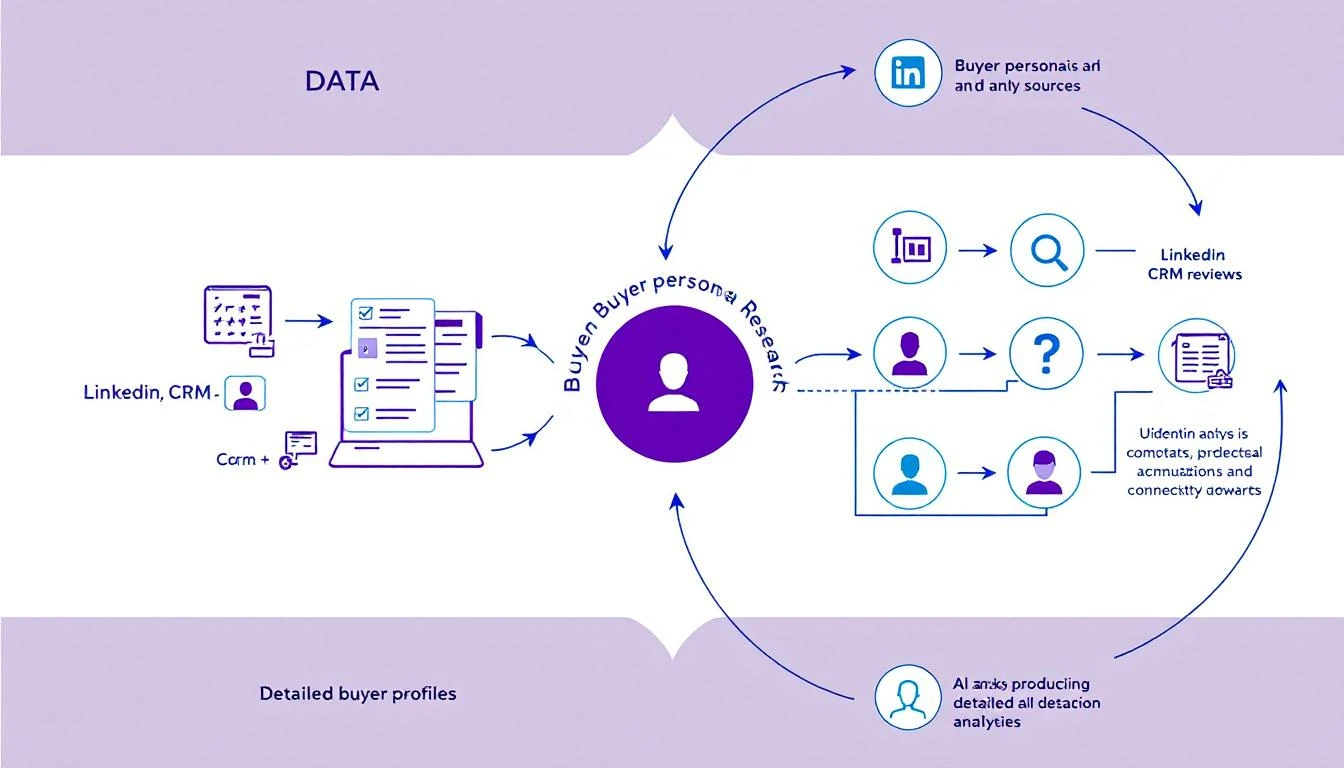
AI coding agents like Claude Code make persona research fundamentally different. Instead of guessing, you analyze actual data — G2 reviews, LinkedIn activity, CRM records, support tickets, call transcripts — and extract patterns that reveal who your buyers really are, what they actually care about, and how they make decisions.
Here's how to build an automated buyer persona research pipeline that stays current without manual effort.
Why Traditional Persona Research Fails
Before we build, let's understand what we're fixing:
The interview problem: Companies interview 8-12 existing customers and call it research. This creates survivorship bias — you only hear from people who already bought, not the 90% who didn't.
The staleness problem: Personas are created once, shared in a slide deck, and never updated. Your ICP from 18 months ago doesn't reflect today's market.
The abstraction problem: "VP of Sales at mid-market SaaS" describes 50,000 people. That's not a persona — that's a demographic.
The gap between research and action: Even good personas sit in a Google Doc. They don't connect to your CRM, your outreach sequences, or your content calendar.
Claude Code solves all four problems by making persona research continuous, data-driven, and directly actionable.
The Automated Persona Research Stack
Here's what you need:
- Data sources — LinkedIn profiles, G2/Capterra reviews, CRM deal history, call transcripts, support tickets
- Claude Code — For analysis, pattern recognition, and persona synthesis
- OpenClaw (optional) — For scheduling automated research updates
- Your CRM — For validation against actual pipeline data
Step 1: Mine Your CRM for Buyer Patterns
Your CRM is a goldmine of buyer intelligence that most teams never analyze. Feed Claude Code your closed-won deals from the last 12 months:
Analyze these closed-won deals and identify patterns:

1. Title/role distribution — What titles buy from us?
2. Company size patterns — Where's our sweet spot?
3. Industry clusters — Are there unexpected verticals?
4. Deal cycle patterns — Which buyer types close fastest?
5. Entry point — Who initiated contact? (Champion vs. evaluator)
6. Multi-threading — How many stakeholders in won deals vs. lost?
7. Trigger events — What happened at the company before they bought?
8. Competitive displacement — Who were they using before?
The output usually surprises teams. You think your buyer is the VP of Sales, but your data shows that 60% of deals are initiated by Sales Ops managers who bring in their VP later.
Step 2: Analyze Review Sites for Pain Points
G2 and Capterra reviews — both yours and competitors' — are unfiltered buyer voice data. Claude Code can extract systematic insights:
Analyze these G2 reviews for [competitor] and extract:

1. Top 5 pain points mentioned (with frequency)
2. Features they love vs. features they wish existed
3. Who writes the reviews (title/role patterns)
4. Switching triggers — What made them look for alternatives?
5. Decision criteria — What factors did they evaluate?
6. Objections they had during evaluation
7. Results they achieved (or didn't)
8. Language patterns — What words and phrases do buyers use?
That last point is gold for messaging. When buyers say "we needed something that could actually tell our reps what to do next," you should use that exact language in your outreach — not "AI-powered sales orchestration platform."
Step 3: LinkedIn Signal Analysis
LinkedIn profiles and activity patterns reveal buying signals and role-specific priorities:
For these LinkedIn profiles of our recent buyers, analyze:

1. Career trajectory — What roles did they hold before this one?
2. Skills endorsed — What do they value being known for?
3. Content engagement — What topics do they post about or react to?
4. Group memberships — Where do they learn and network?
5. Common connections — Who influences their network?
6. Time in role — Are they typically new to their position?
7. Company stage — Are they at growth-stage or mature companies?
A pattern might emerge: your best buyers have been in their role for 6-18 months (long enough to own the problem, new enough to want to fix it), previously held an IC role (so they understand the pain firsthand), and engage with content about sales efficiency.
Step 4: Synthesize Into Actionable Personas
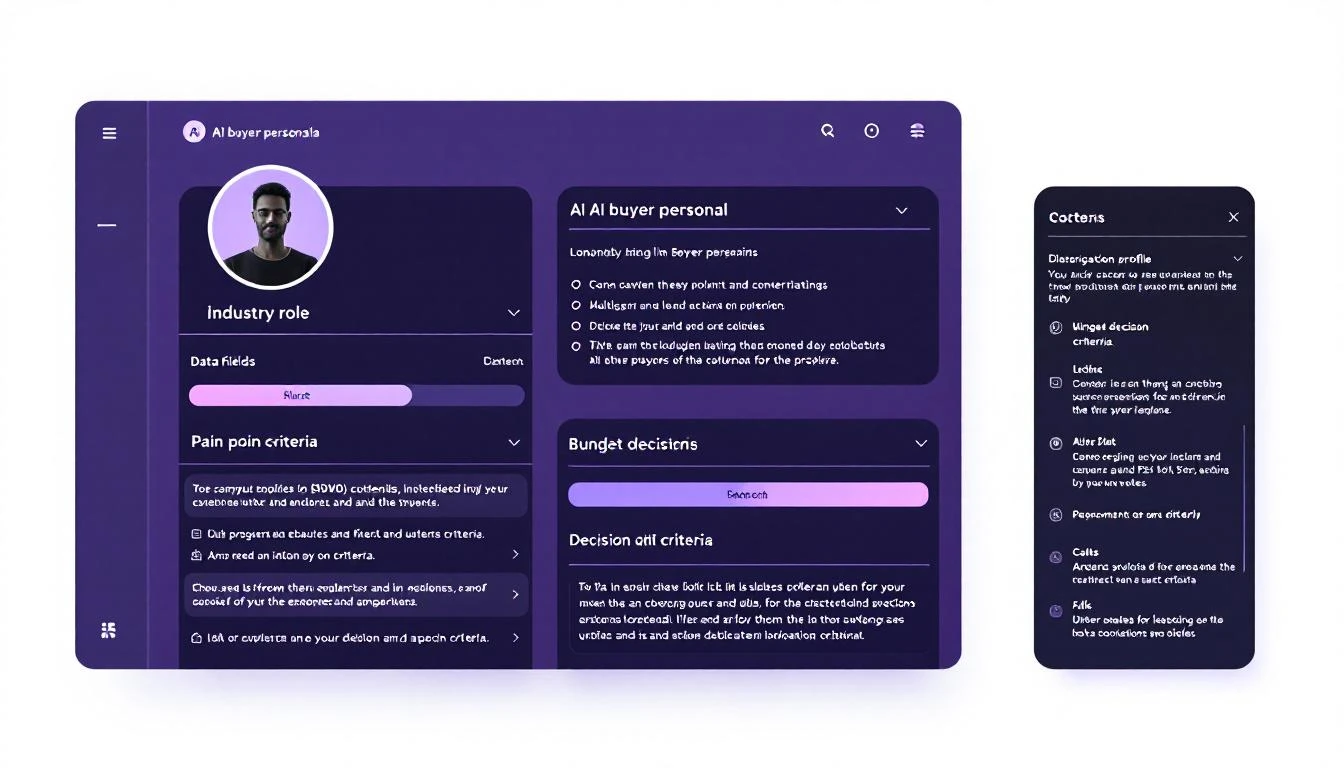
Here's where Claude Code's reasoning ability shines. Feed it all the data from steps 1-3 and ask for synthesis:
Based on all the data analyzed, create 3-4 distinct buyer personas. For each persona include:

**IDENTITY**
- Specific title (not generic)
- Company size and stage
- Industry verticals where they concentrate
- Reporting structure (who they report to, who reports to them)

**PSYCHOLOGY**
- Top 3 professional priorities this quarter
- Biggest fear related to our product category
- How they measure personal success
- Information sources they trust
- How they prefer to buy (self-serve, demo, pilot)

**TRIGGER EVENTS**
- What happens at their company that makes them start looking
- What they Google when they start researching
- Who else gets involved in the decision
- What internal event would kill the deal

**MESSAGING**
- The one sentence that would make them stop scrolling
- Subject line that gets opened
- Case study angle that resonates
- Objection they'll raise and how to handle it

**SIGNAL INDICATORS**
- CRM data points that indicate this persona
- Website behavior patterns
- Email engagement patterns
- Social selling entry points
This isn't a static doc — it's a living playbook that connects directly to how your team prospects, messages, and sells.
Building a Continuous Research Pipeline
The real power of AI-driven persona research isn't the initial build — it's keeping it current automatically.
Weekly Persona Refresh Workflow
Set up a weekly pipeline using Claude Code (and optionally OpenClaw for scheduling):
Monday: Pull new closed-won deals from CRM, analyze for pattern changes
Wednesday: Scan competitor reviews for new pain points and switching triggers
Friday: Update persona docs with any shifts, flag changes to the sales team
Quarterly Deep Dive
Every quarter, run a comprehensive analysis:
Compare our buyer persona data from Q1 vs Q2:

1. Has our buyer profile shifted? (title, company size, industry)
2. Are new pain points emerging?
3. Has the competitive landscape changed?
4. Are deals closing faster or slower?
5. Are new stakeholders entering the buying committee?
6. What content resonated most with each persona?

Highlight the 3 most significant shifts and recommend messaging adjustments.
This catches market shifts before they show up in your revenue — like when a new competitor enters your space and changes how buyers evaluate solutions.
From Persona to Personalization at Scale
The ultimate goal isn't a perfect persona document — it's personalized outreach that feels 1:1 at scale.
Connecting Personas to Outreach
Once you have data-driven personas, Claude Code can generate personalized messaging for each:
For the "Newly-Promoted SDR Manager" persona, generate:
1. A cold email sequence (3 emails) that addresses their specific fears
2. A LinkedIn connection request message
3. Talk track for a cold call
4. A personalized demo agenda

Use the language patterns we identified from G2 reviews.
Reference the trigger events that typically precede their buying process.
Dynamic Persona Matching
When a new lead enters your pipeline, use Claude Code to match them to a persona:
Given this information about a new prospect:
- Title: [title]
- Company: [company, size, industry]
- Source: [how they found us]
- Behavior: [pages visited, content downloaded]

Which of our 4 personas is the closest match?
What specific messaging approach should we use?
What objections should we prepare for?
Who else at this company should we engage?
This turns your CRM from a data warehouse into an intelligence engine.
Advanced: Negative Personas
Just as important as knowing who to target is knowing who NOT to target. Claude Code can build negative personas from your lost deals:
Analyze our closed-lost deals and identify:

1. Common characteristics of deals we consistently lose
2. Early warning signs that appeared in the first 2 weeks
3. Buyer profiles where our win rate is below 10%
4. Company characteristics that predict a long, unsuccessful cycle
5. Competitive situations where we rarely win

Build 2 "negative personas" — buyer profiles we should deprioritize or disqualify early.
This saves your team hours every week by steering them away from deals they're unlikely to win.
Making It Operational with MarketBetter
While Claude Code handles the research and analysis, you still need a system to turn insights into daily SDR actions. That's where a platform like MarketBetter comes in:
- Website visitor identification matches anonymous visitors to your persona profiles
- Daily SDR Playbook tells reps exactly who to contact and what messaging to use
- Smart Dialer prioritizes calls based on persona-specific timing patterns
- AI Chatbot engages visitors with persona-appropriate messaging
The combination of Claude Code (for research) + OpenClaw (for automation) + MarketBetter (for execution) creates a persona-driven revenue engine that's always learning.
Try our Lookalike Company Finder — find companies similar to your best customers in seconds. No signup required.
Key Takeaways
- Real personas come from data, not brainstorms — Mine your CRM, reviews, and LinkedIn for actual patterns
- Personas should be living documents — Set up weekly refreshes with Claude Code
- The goal is actionable, not accurate — A slightly wrong persona that drives specific actions beats a perfect one that sits in Google Docs
- Negative personas save more time than positive ones — Know who NOT to sell to
- Connect personas to daily workflows — They should inform every email, call, and demo
Your buyers are telling you exactly who they are, what they need, and how they want to buy. You just need AI that can listen at scale.
Want to turn buyer personas into a daily playbook for your SDR team? Book a demo and see how MarketBetter identifies your ideal buyers and tells your reps exactly what to do next.